

Fashion for Life
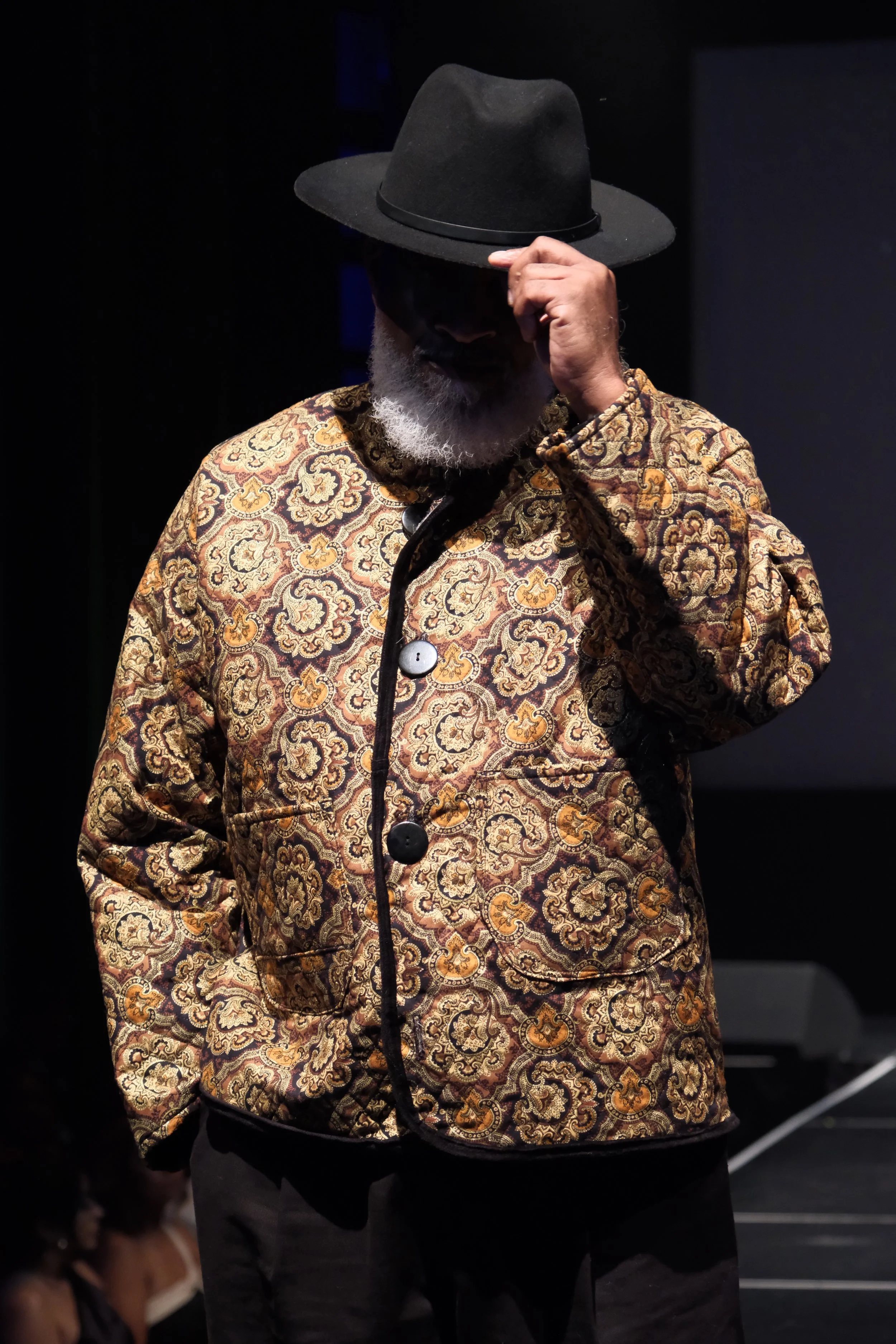
Modeling Masculinity Beyond the Runway
By Jules Aldaz
Photography by Nick Blevins
Matthew Smith, founder of 501(c)(3) nonprofit Fashion for Life, shows us how a runway can break the silence on a generationally taboo conversation—the specter of family violence and abuse.
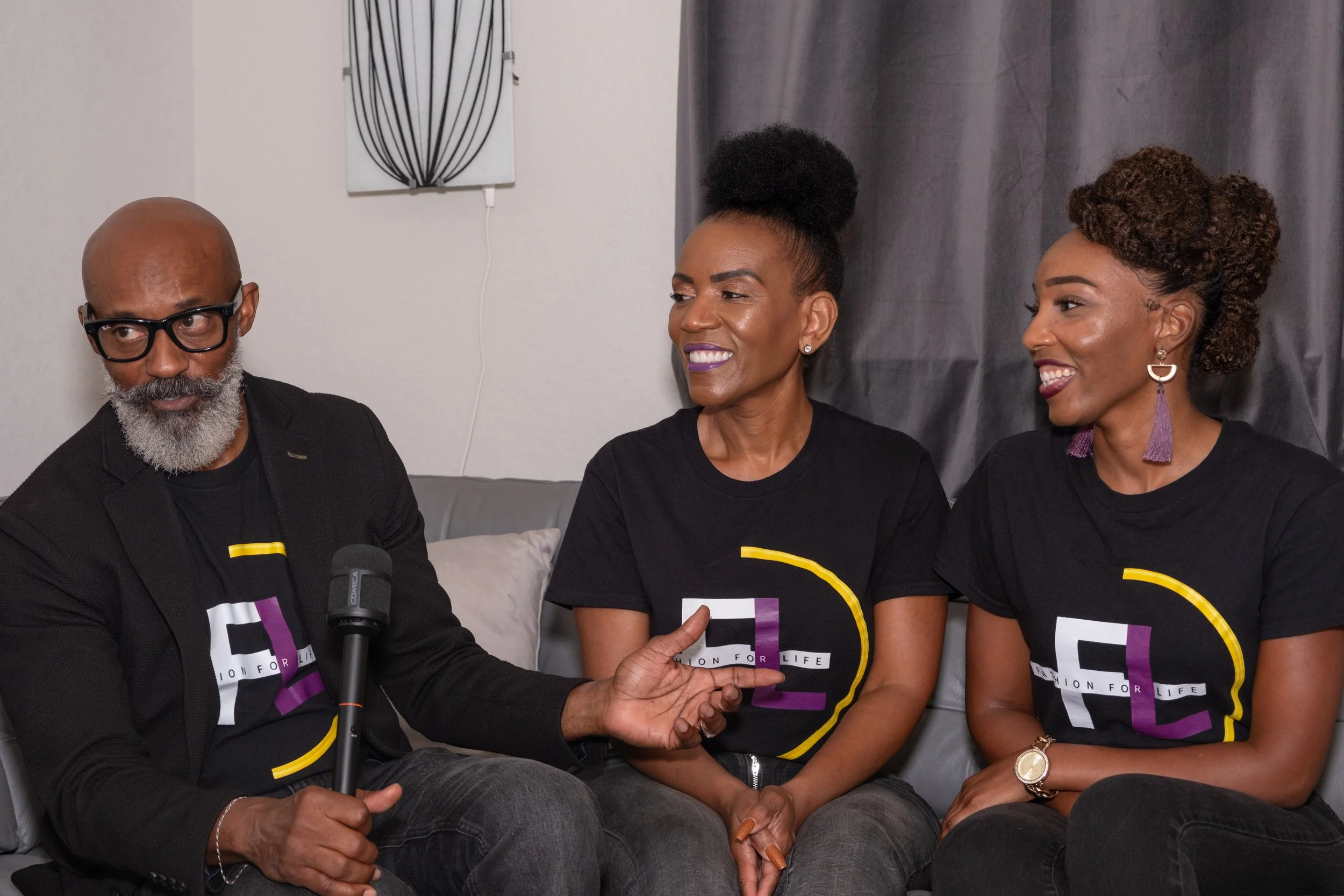
The Fashion for Life team, from left to right: Founder and CEO Matthew Smith III, CFO Rachelle Smith, and COO Genesis Marie Williamson
Smith founded the organization nearly six years ago, driven by having witnessed domestic violence against his mother when he was just a child. The damage extends well-beyond the physical pain of a loved one experiencing abuse. A child's fragile psyche can become collateral, resulting in scars that aren't easily identified or seen.
What began as a fashion show raising money for Patricia Castillo's P.E.A.C.E. (Putting an End to Abuse through Community Efforts) Initiative in San Antonio has developed into a broader organization serving not only survivors and young people—but in an important and less commonly explored population, people who have caused harm with the heart to change their behavior.
Rachelle Smith, Matthew's wife, serves as Fashion for Life's chief financial officer, while Genesis Marie Williamson supports the nonprofit as its chief operating officer and licensed professional counselor. Their titles tell only part of the story. Rachelle manages budgets, optimizing her background in sales and marketing. Williamson oversees programming and a network of counselors. Together, the executive team has built Fashion for Life Cares, the service arm that moves the mission beyond awareness and into direct support.
“It’s not their problem.
It’s not her problem.
It’s not his problem.
It is our problem, together.”
That distinction matters. Awareness can begin a conversation but immediate danger demands more than a conversation. Williamson candidly listed many obstacles survivors often face: safe housing, legal assistance, food, insurance, and limited practical skills hampered by years of control and manipulation. It is difficult to address the mind when a person is not physically safe and vice versa. Healing grows out of security. Fashion for Life works to connect victims with resources and support.
Therapy is a vital component. The Healing Threads program connects qualifying domestic violence survivors with four counseling sessions. Fashion for Life covers three sessions, and participating counselors provide the fourth pro bono. Four sessions cannot resolve every layer of trauma, but they can offer a place to begin, especially for someone who has never been able to speak freely about what happened.
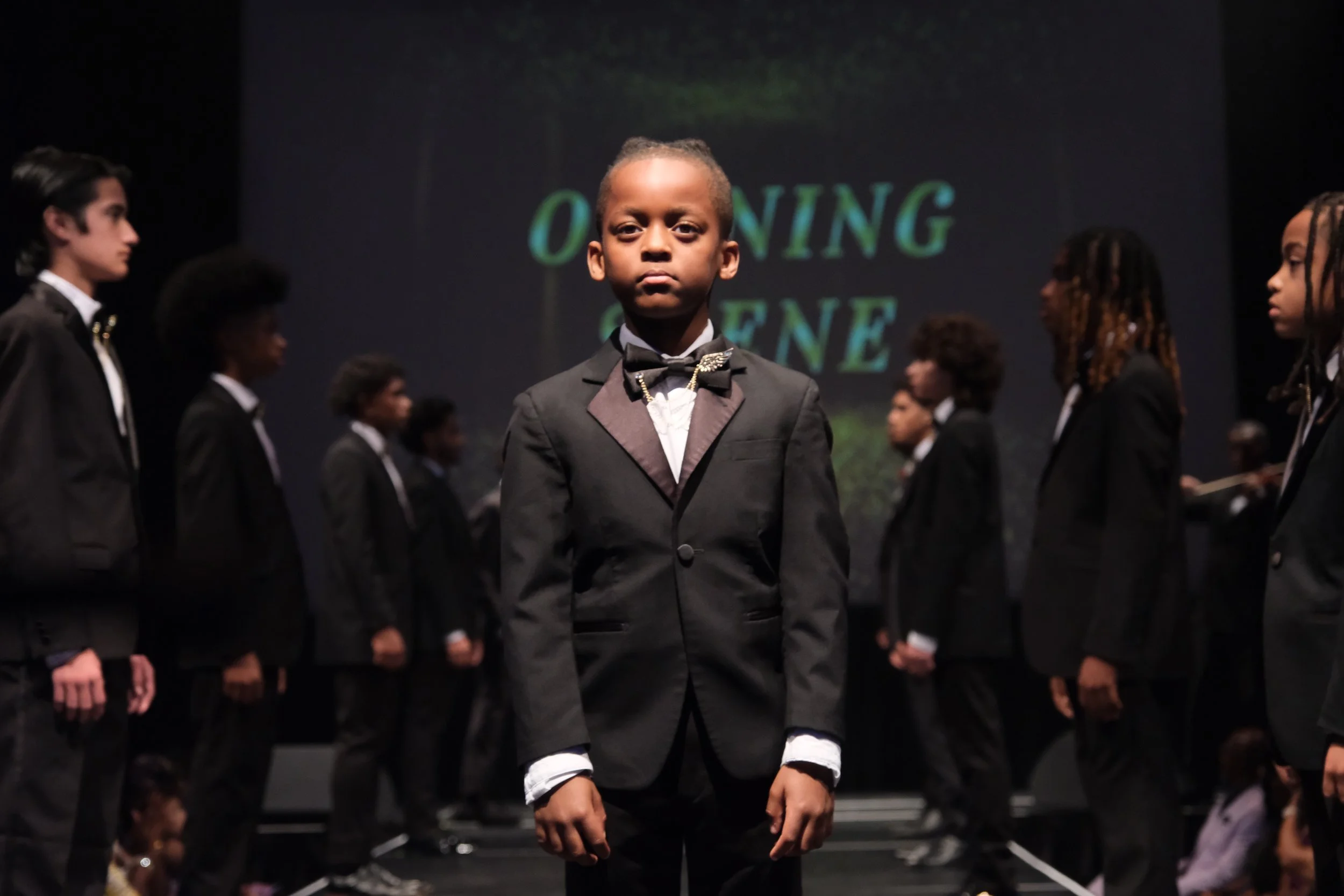
Youth models lined up during Opening Scene, Purple Reign 2025
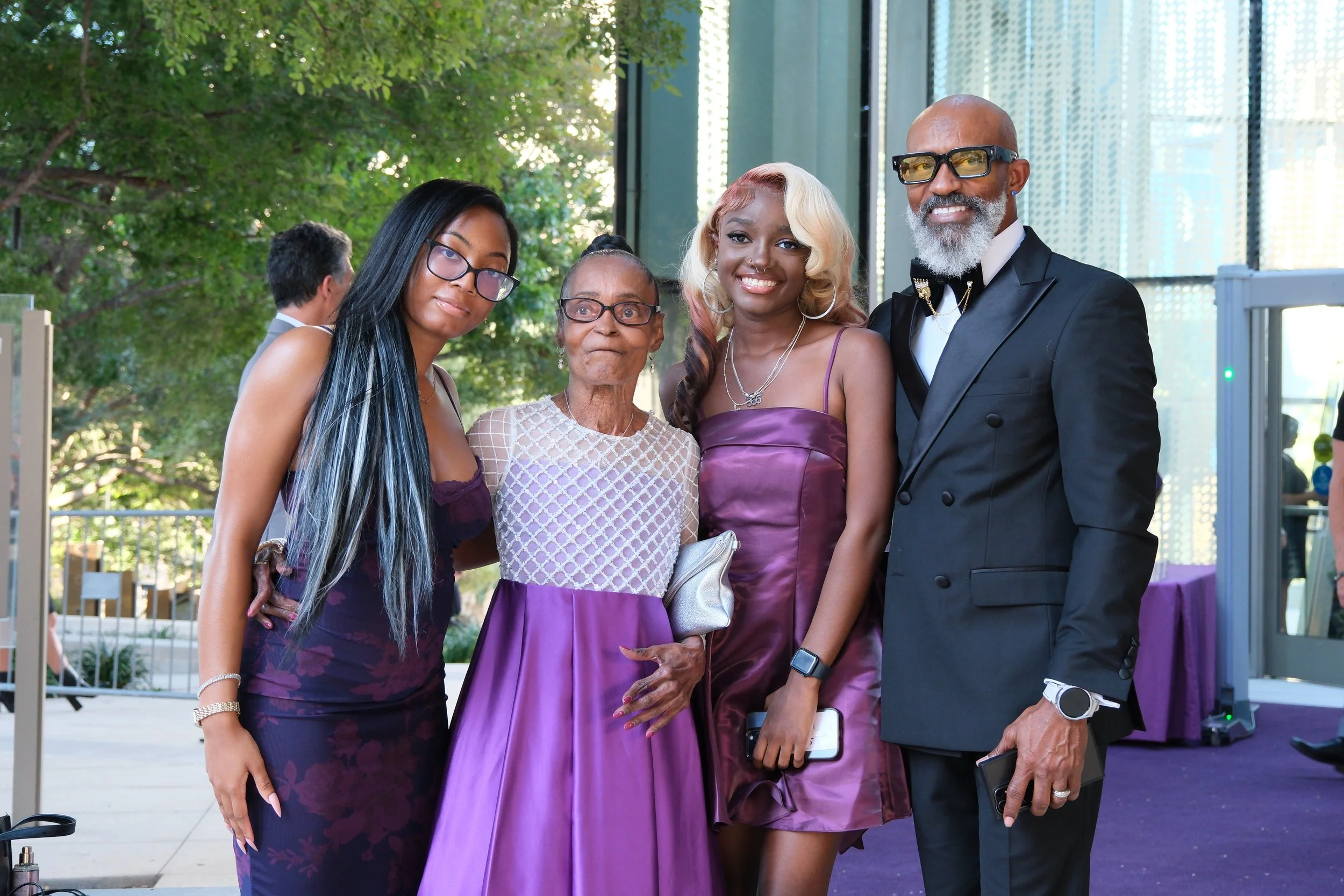
Fashion for Life founder and CEO Matthew Smith III with family prior to Purple Reign 2025 – including his inspirational mother, pictured second from left
Even recounting trauma is exhausting. Survivors are often asked to infintely repeat painful details to relatives, police, attorneys, advocates, and service workers, physicians and healthcare providers in sterile clinical or legal settings. Each retelling surfaces mental wounds as fresh as the time of abuse. Even further, the interlocutor effect may stifle effective communication based on distrust of certain professions. Or, survivors may be discouraged entirely by the visceral threat of retribution by abusers. However, silence only works to protect a continuous cycle of violence. A trained counselor creates space to reduce the anxiety of disclosure.
Many survivors have heard the all-too familiar, "'What happens in this house stays in this house." The phrase was treated as loyalty. In reality, it often left everyone without help: the person being harmed, the children watching, and the person causing the harm.
Fashion for Life also addresses a difficult part of the conversation through Rise and Restore, a program to rehabilitate perpetrators of domestic violence. Supporting survivors must always include safety and accountability. At the same time, accountability alone does not teach someone how to identify the source of a need for control, regulate anger or replace abusive patterns with healthy ones. Some abusers witnessed violence as children or experienced abuse themselves. That history never excuses the harm they cause, but understanding it can help interrupt the pattern instead of allowing it to move into another relationship or another generation.
Mentors dressed in sharp suits from Limatus Bespoke
“It’s not about cufflinks, clothes, or cologne. It’s about our cause.”
Smith expressed this clearly: Fashion for Life stands with victims and survivors, but the organization does not believe healing requires treating every perpetrator as beyond reach. Williamson added that a community cannot heal unless it holds people accountable, but it must also promote healing for those committed to change. It is a tightrope, and it is one many domestic violence conversations avoid. Fashion for Life is willing to enter it.
The annual fashion show, Purple Reign, remains Fashion for Life's most visible event. This sixth year marks a deliberate shift. Smith said the models are being asked to remember that the runway is not about "cufflinks, clothes, or cologne." It is about the cause. Each person walking is encouraged to walk or someone affected by domestic violence. The organization selected all 55 models who auditioned this year widening the runway while maintaining clear expectations for character and integrity.
Intentionally evocative of Prince, the master of effortlessly smooth masculinity, Fashion for Life's reference to the famous "Purple Rain" is distinctively spelled R-E-I-G-N. Purple is the color associated with October as Domestic Violence Awareness & Prevention Month and represents strength, dignity, and power as a color steeped in regal fashion history. Reign speaks to taking back control. Together, the words represent a survivor's ability to reclaim the self-worth that abuse tries to diminish. Purple Reign remains the show's continuing theme, with a new element added each year. For 2026, that element is Evolution, reflecting the organization's commitment to keep growing.
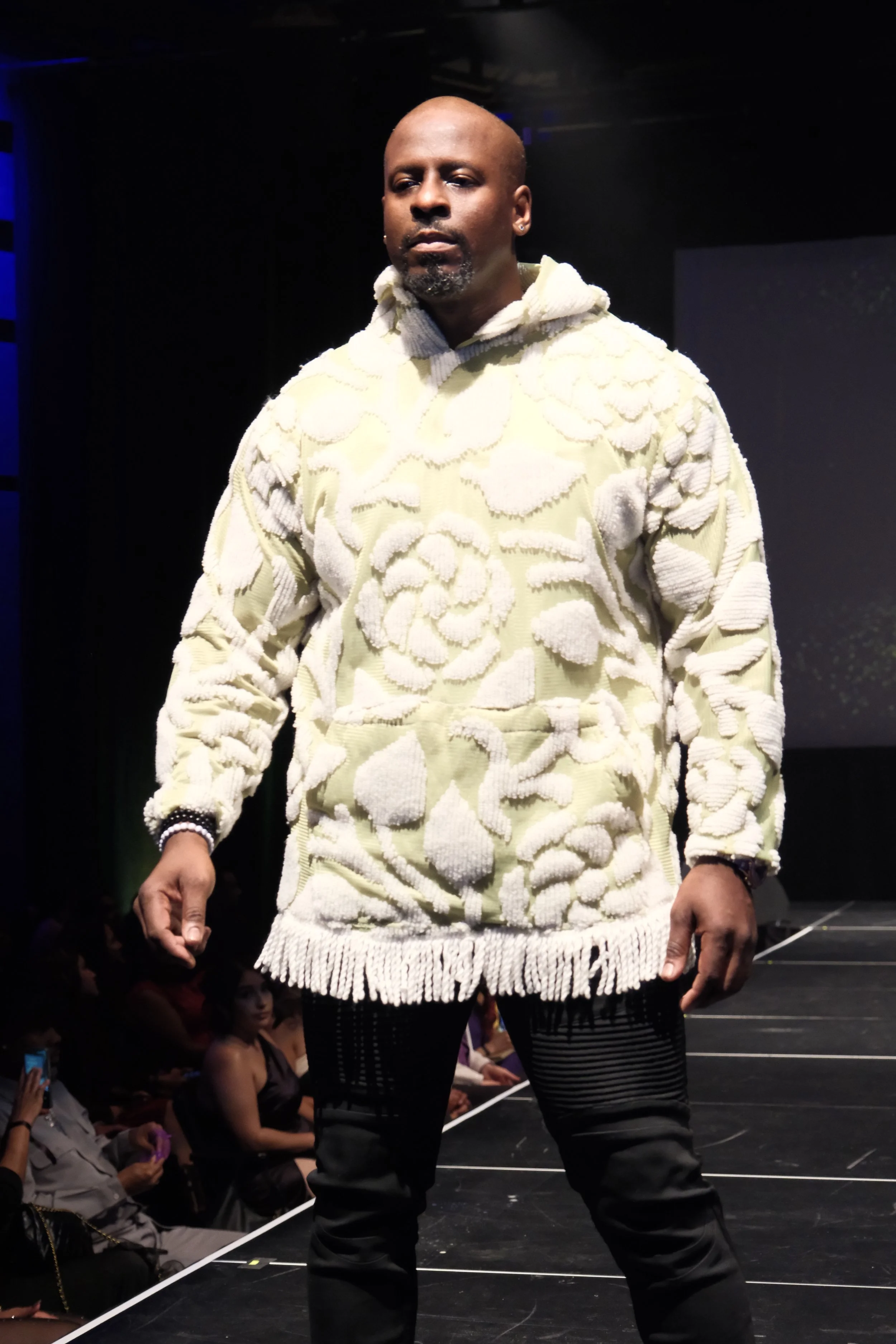
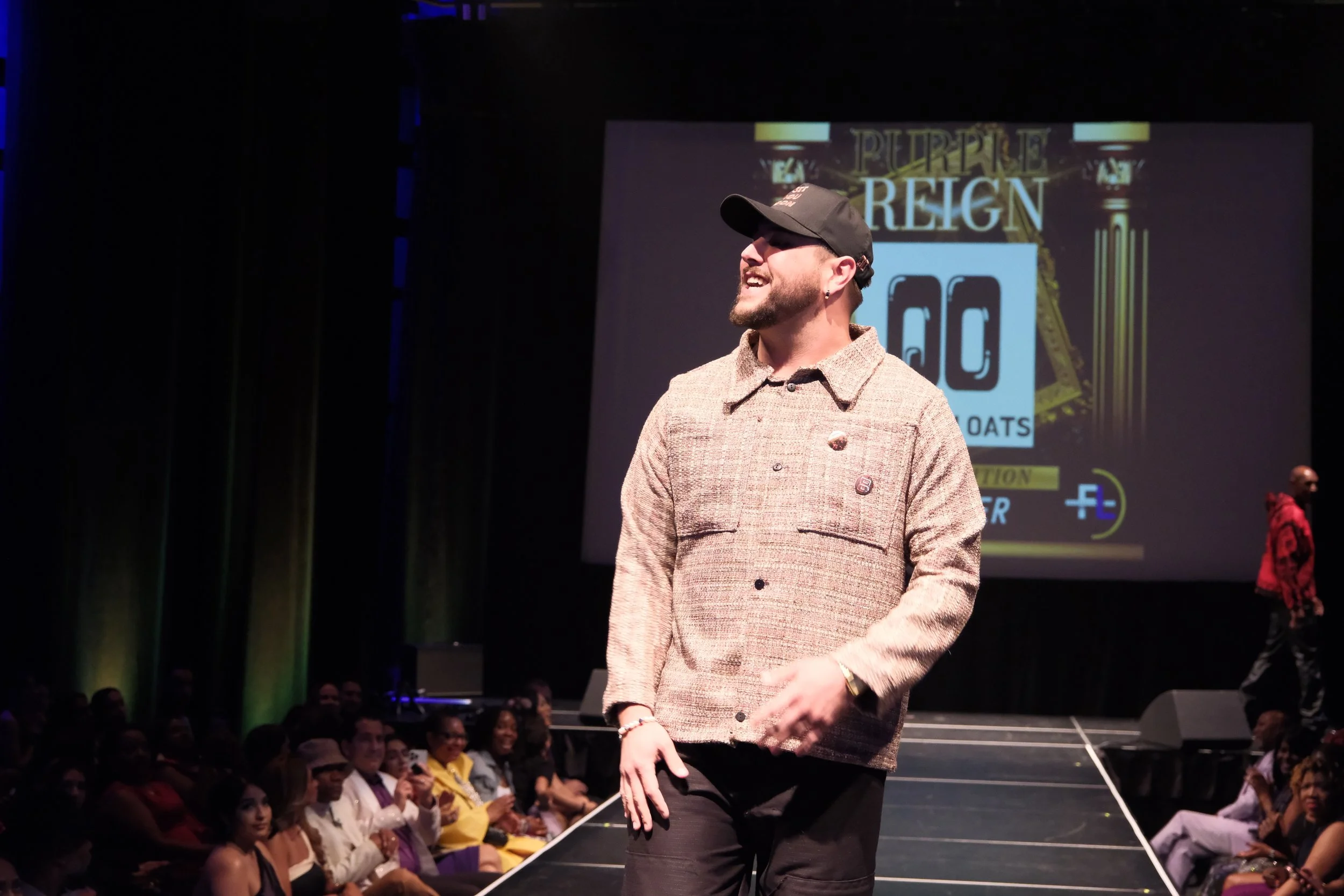
Crown Code, the organization's youth mentorship program, aims to model healthy masculinity. Smith believes young men benefit from having grown men in their lives whose choices they can observe and respect. Mentors spend time with participants through activities such as golf, camping, and fishing, but the point is larger than an afternoon away from a screen. The program encourages young men to value themselves, respect other people, and understand the kind of example they want to set. Healthy relationships are learned and the lessons can begin long before a young person starts dating or building a family.
This year's show includes Fashion for Life's first scholarship presentation. The $1,500 award will go to a graduating high school senior who has participated in the youth program for several years and plans to attend trade school.
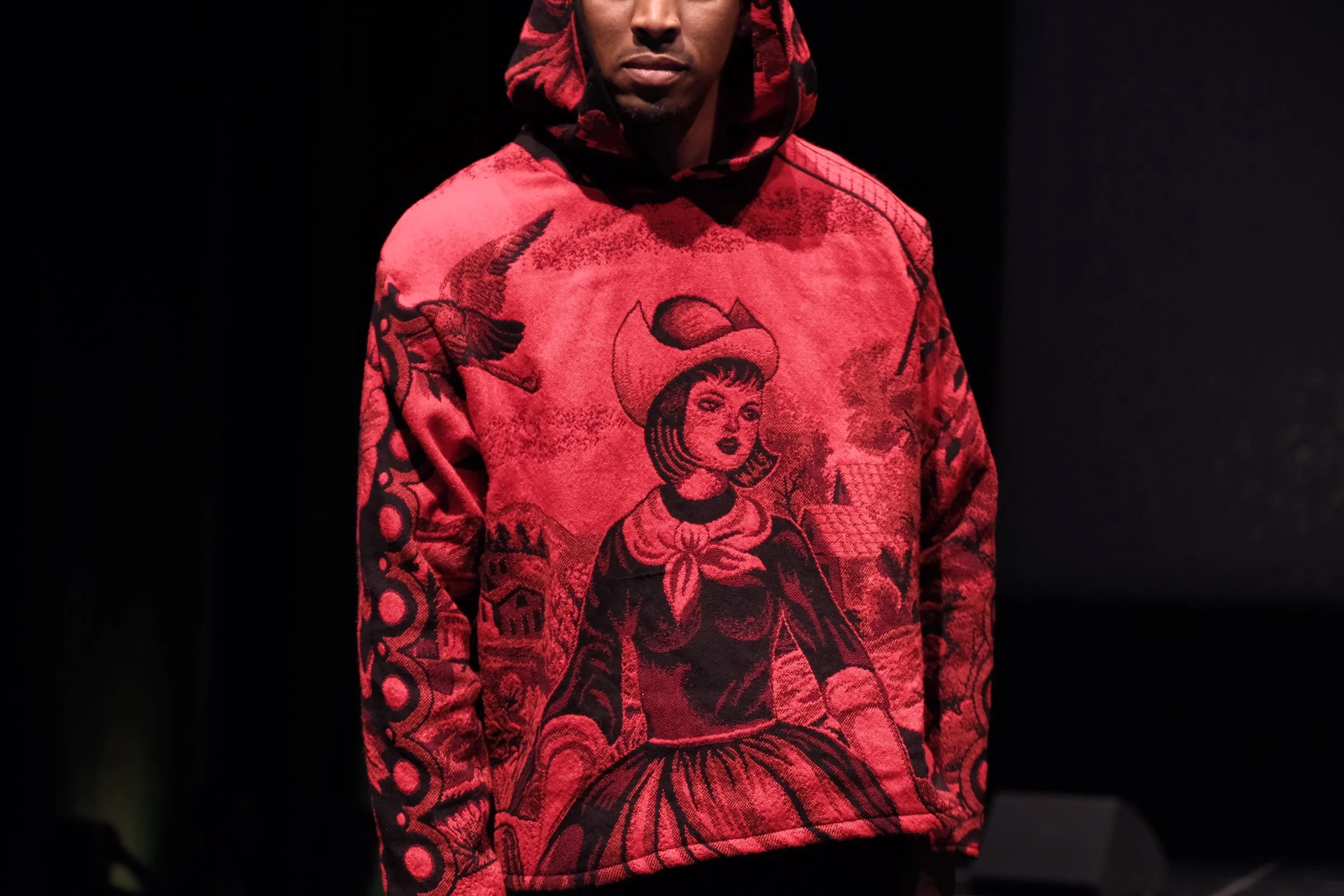
Model dressed in a Quorum Oats during Purple Reign 2025
Rachelle Smith stressed that success does not require one prescribed path. A four-year university may be right for one student; a trade program may be right for another. The goal is to help a young person gain skills, pursue meaningful work and become a productive member of the community. The organization hopes to increase both the number and value of its scholarships as partnerships and donations grow.
There is also accountability within the fashion production itself. In cases where a model does not adhere to behavioral standards, Fashion for Life requires the individual to step away and seek support, which protects the integrity of the organization and show while leaving room for a person to do the work necessary to change. Everyone associated with Fashion for Life, from models to photographers, is expected to represent its standard.
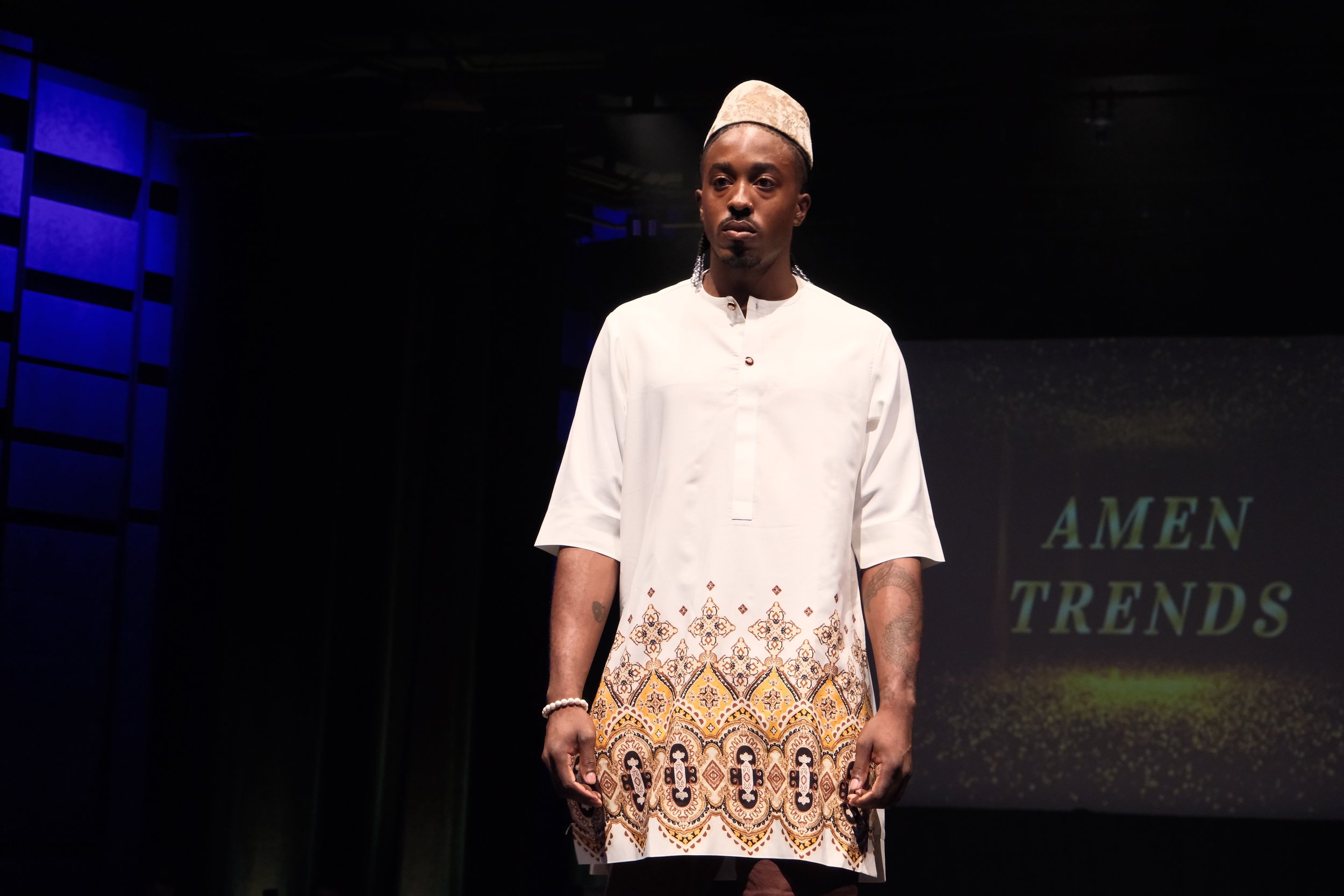
The 2026 Purple Reign Evolution Fashion Show occurs in October annually, with this year's show set for October 17 from 7 to 9 p.m. at the Tobin Center for the Performing Arts. The designer roster was narrowed to four to devote more time to the cause and fundraising. Laverne Witherspoon is this year's featured designer. Houston-based designer Trey of Quorum Oats and Austin-based Amen Trend return in 2026, along with K&G.
Fashion for Life does not dictate what designers send down the runway. The designers understand the organization's values and are given room to bring their best work and full creativity. That trust allows the clothes to feel exciting without losing sight of why everyone is in the room.
Clothing can change posture before a word is spoken. A well-chosen look can help someone recognize themselves again after a season that has diminished them. But clothing cannot provide safety, counseling or legal support. Fashion for Life understands the difference. It uses fashion to draw people in, then directs attention and funding toward the less glamorous work of recovery, prevention, and responsibility.
Domestic violence does not belong to one neighborhood, income level, race, gender, or family structure. It can exist behind a polished image and inside a home that appears perfect from the outside. That is why visibility matters. It should lead to a safe place to speak, practical resources, qualified counseling, adults who model healthier behavior and programs willing to confront harm honestly.
Williamson brought the mission down to one sentence: domestic violence is not her problem or his problem. It is our problem together. She asked people to find where they fit in to help assist in the cause. Advocacy does not have to begin with a grand gesture. It may mean donating, volunteering, offering a professional skill, or sharing reliable information to reach someone who needs it. As Fashion for Life expands, the organization plans to open more volunteer opportunities and more ways for the community to take part.
What Fashion for Life aims to impart guests with is unanimous: to remember more than the final look on the runway. A survivor should not carry the weight of finding security alone. Fashion may bring us into the room, but what we do after hearing these stories will determine whether the cycle of violence continues or whether we finally begin to break it in our communities. ■