

Europe, TX
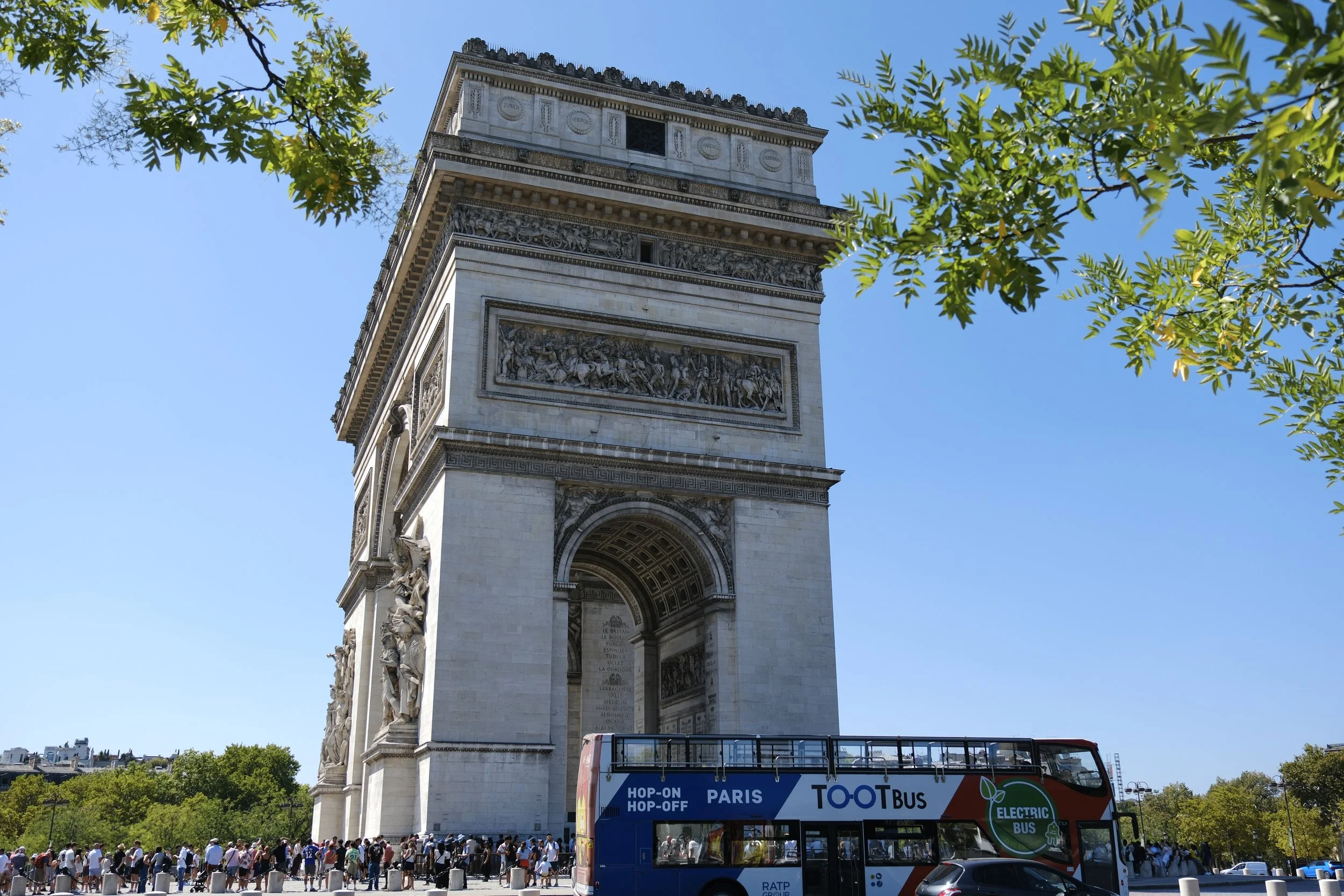
If you can’t get to Europe, bratwurst and scones are right here.
Take a summer road trip through Texas towns honoring their European roots.
By Berit Mason

Castroville, TX
26 miles west of San Antonio
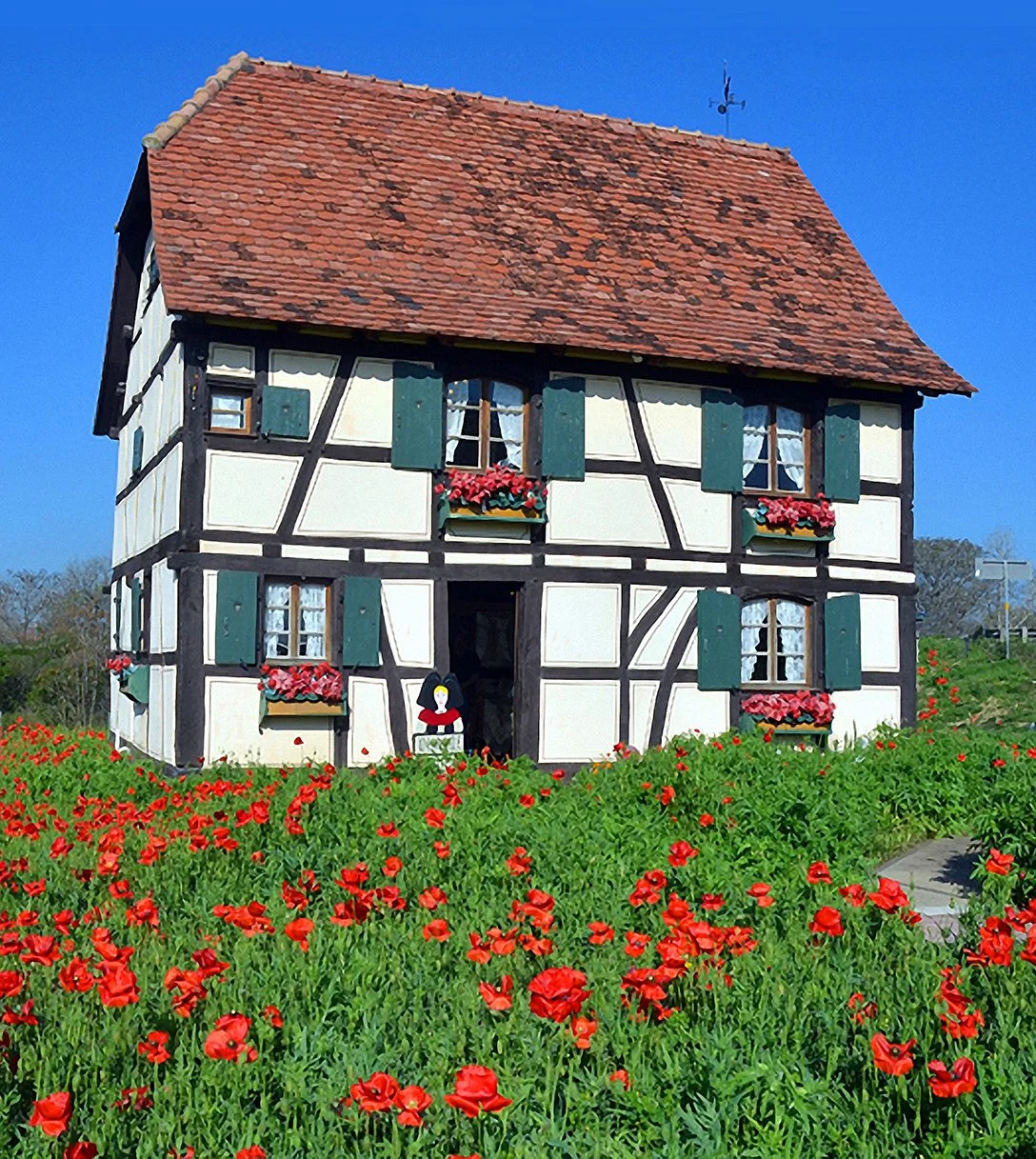
Steinbach Haus in Castroville, TX (courtesy Pat Marince)
Alsace-Lorraine is the beautiful, if troubled, northeastern region of France. Back and forth it’s been, under the sovereignty of both France and Germany. Twice, Alsace-Lorraine was owned by Germany before permanently becoming French.
Henri Castro was a French entrepreneur from Alsace who dragged along Catholic French farmers, the founders of Castroville in 1844, “Little Alsace of Texas.”
The Steinbach Haus is Castroville’s prized historical possession.
This typically Alsatian home is from France. Built by the Steinbach family in Wahlbach, France in the early 1600s, it was disassembled and shipped to Texas in 1998, a transatlantic gift from European cousins. It has a free visitor’s center and museum, open Wednesday to Saturday from 10 a.m. to 4 p.m., and Sunday from 11 a.m. to 3 p.m. Castroville offers self-guided tours of their many original homes.
Castroville is a short drive down US 90. Henri Castro would be pleased as its population is up 11% since 2020; “urbanites” seeking a small town feel.
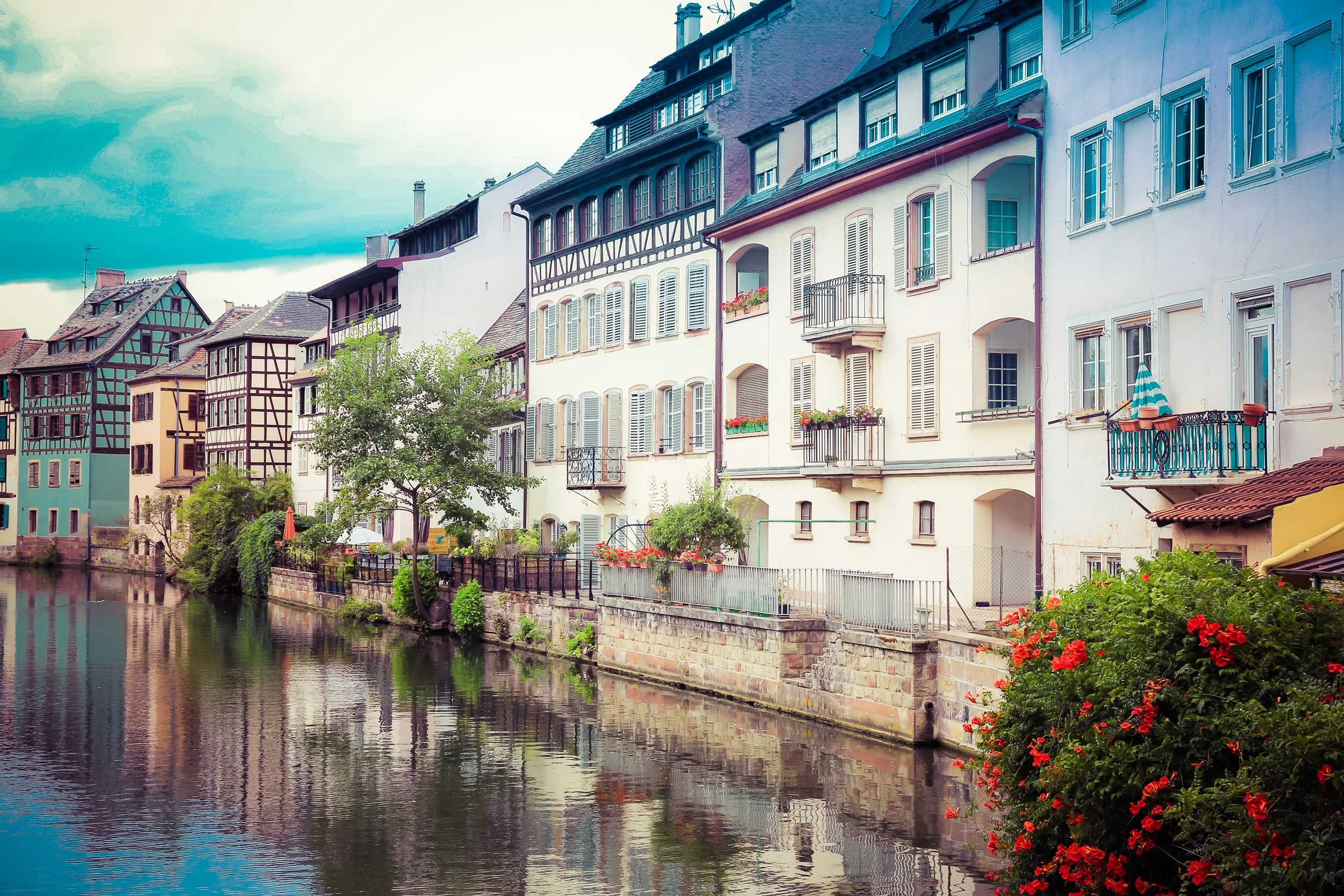
The canals of Alsace-Lorraine, France

San Antonio, TX
Home!
San Antonio has a Spanish name and German settlers — but the British were here, too.
1860s San Antonio had only 68 English-born citizens, but their contribution was outsized. Sheep and England are practically synonymous, and Englishman John James brought the sheep industry to Texas, the land surveyor becoming a prominent rancher and importer of Merino sheep.
Today’s Anglophiles can zoom up US Hwy 281 N to the Old English Tea Shoppe and Cafe. Dr. Robb Kelly has the total British accent as he and his staff serve afternoon tea and the typical English breakfast.
“I cannot believe how many Anglophiles there are in San Antonio, and how many English people there are,” he ruminated.
The tea shop hosted a Titanic-themed party, a nod to the ship’s departure from Southampton, England.
“We do themed parties,” Kelly averred, “princess parties, and Harry Potter parties for children. When you come in here, you hear the real English accent!”
What’s on the menu?
“Fish and chips, bangers and mash, Sunday roast. We have lots of sandwiches.”
In 1762, England’s Earl of Sandwich requested meat tucked between two slices of bread, creating the sandwich.
Tea scones and tarts are fresh daily, and a big map of England is full of pins where local travelers have been.
“Guests come ‘pre-vacation’ and we tell them the best places to go in London,” says Dr. Kelly. “People come in to get educated and to eat as well.”
Afternoon tea is “low” tea with scones, finger sandwiches, and pastries. High Tea is a heavy dinner to fortify working-class families.
For the evening pub experience, visit local franchises of Lion & Rose Restaurant & Pub.
Smack dab in the middle of London, England (photo by Nick Blevins)

Germany
47 miles northwest of San Antonio
With a population of 3,000 — and wanting to keep there — Comfort is very protective of their German roots. Local historian Anne Stewart is with the Comfort Heritage Foundation.
“The Chamber of Commerce will have self-guided tours. But we at the Comfort Heritage Foundation always want to send a person along. The last home tour we had, we had about 65 volunteers to be docents.”
Comfort has “over 100 structures, homes and business buildings, that date back to the 19th century.” Visitors get a close-up look at German craftsmanship, evident at the Deutsche Evangelist Kirche built in 1892.
“The ceiling beams are numbered in Roman numerals! There is magic in Comfort,” Stewart marvels.
German settlers were thrifty.
“They built tile towers to catch water in. They had the first water-catching systems in Texas.”
Stewart is a real “steward” of the town.
“Other towns have changed a lot — Boerne and Fredericksburg — and we are working really hard not to be that way. Comfort works hard to maintain its integrity.”
Her home is from 1899. Even installing air-conditioning was a matter of integrity.
“If we are going to install AC, let’s please do it as invisibly as possible.”
Comfort was founded in 1854. By 1860, some 40,000 Germans colonized Texas.
Comfort is 50 minutes north on Interstate 10. From there, take US 87 N to Fredericksburg for a typical sausage and potatoes meal at The Ausländer Restaurant, Der Lindenbaum, and Old German Bakery & Restaurant.
Boerne, Comfort’s large cousin, is 30 minutes north on I-10, with several “Gaststätte” serving dishes from Deutschland.
Email comfortheritagefoundation@gmail.com for more information.
The Hygieostatic Bat Roost near Comfort has stood for over 100 years (c/o Comfort Chamber of Commerce)
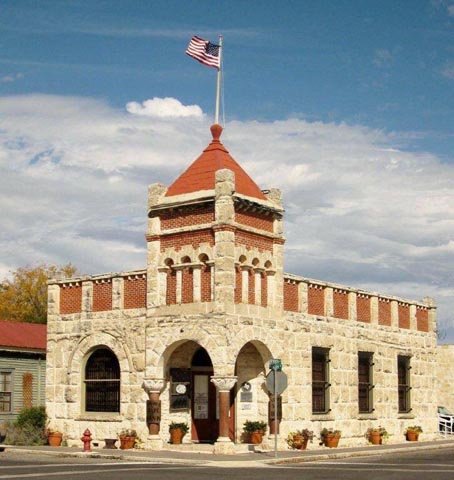
Round Rock, New Sweden, and Palm Valley, TX
100 miles northeast of San Antonio (Round Rock and New Sweden); 254 miles south of San Antonio (Palm Valley)
Swedes started arriving to Texas in the late 1840s.
Swedish settlements were mostly in central Texas, in Travis and Williamson counties, colonies such as New Sweden, Lund, and Govalle near Austin.
Former Austin American Statesman food columnist and Substack author of The Invisible Thread, Addie Broyles’ great-great-grandmother hailed from Sweden. As a food editor, her culinary curiosity led her to discover her ancestral Swedish food and culture.
“It stirred up this wonderful maternal ancestral story. It was a subculture in Texas, right underneath my nose.”
Her reportage expanded well beyond Texas Swedish emigrants.
“I’ve traveled to Sweden three times. And I’m actually learning Swedish!” she says.
The Austin area was the epicenter of Swedish emigration, among their founding fathers Christian Bergstrom of the Austin-Bergstrom International Airport, and midcentury architect Leonard J. Lundgren of both the Adams Extract Building and circular Holiday Inn Town Lake.
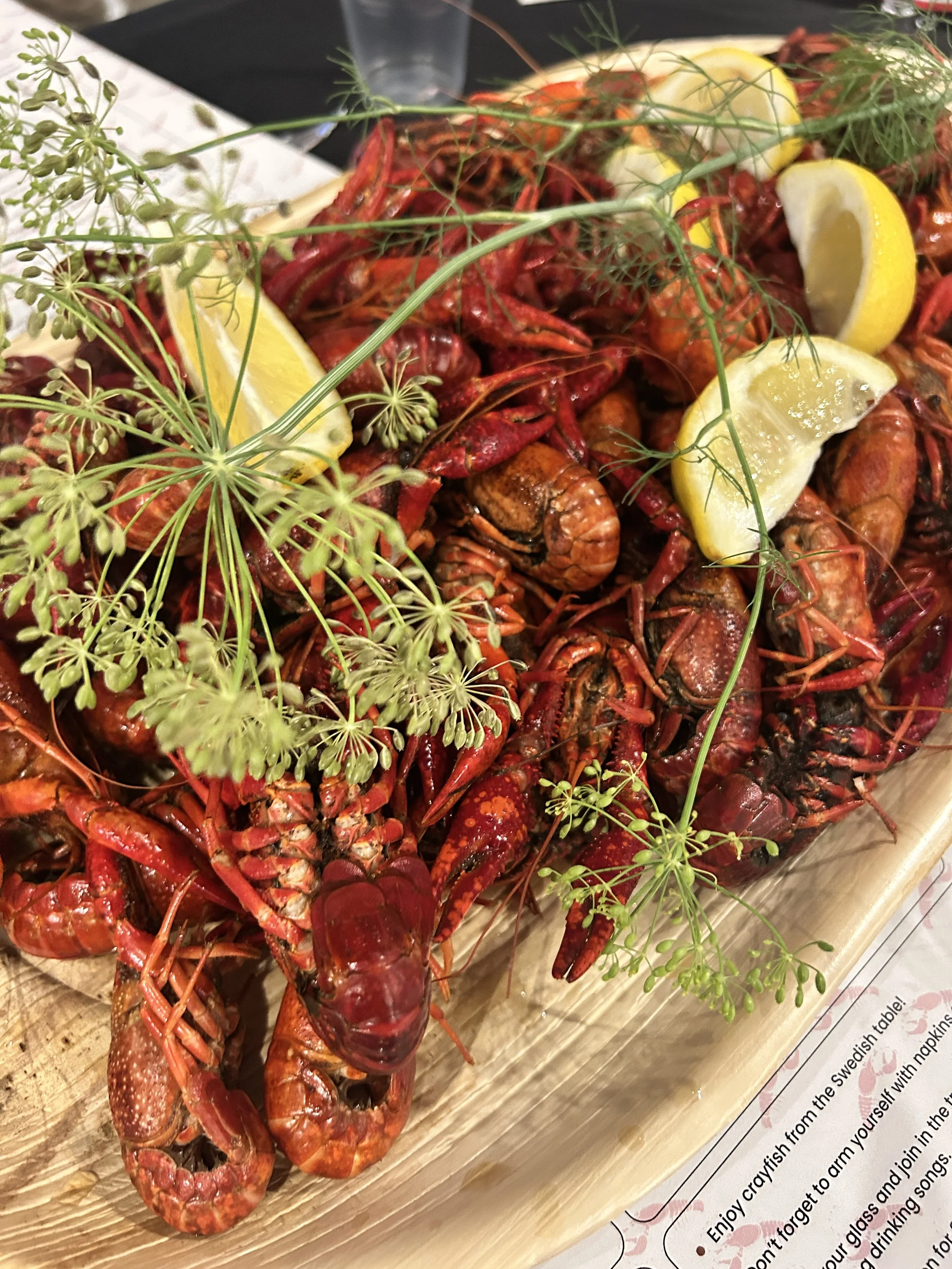
Summer in Sweden celebrates the rare sun. New Sweden celebrates Midsommar, as does The Williamson Museum. Austin’s Solstice Night Market at Uncommon Objects on June 21st has vintage vendors, music, and food. Early fall are kräftskiva gatherings with cold dill crayfish, singing, and schnapps, hosted by the Swedish-American Chambers of Commerce Texas.
Round Rock and San Antonio both have IKEA stores with eateries serving traditional Swedish meatballs, potatoes, and lingonberry jam.
West, TX
198 miles northeast of San Antonio
Who says Americans can’t speak a second language?
Because nearly 13,000 very special Texans speak Czech.
They mostly reside in West, Texas, near Waco. Population 2,600, they celebrate old Czechoslovakia all of the time.
Westfest is their yearly festival featuring heritage, culture, and food. 2026 will be the 50th celebration on Labor Day weekend, Sept. 4-6. Keep an eye out for the ornate “Kroj,” their traditional costume. Tap your feet to polka music and indulge in kolache pastries from West’s Czech Stop, Slovacek’s West, and The Village Bakery, one of the state’s oldest such bakeries.
Sit-down meals of typical Czech dishes are served at the Czech American Restaurant.
Owner Jenene Picha Gueringer’s great-grandparents were from Czechoslovakia.
“And does Czech food sell?”
“Oh, yes! 100%!” says Gueringer. “We are in a century-old building on Main Street. Our number one seller is sausage and sauerkraut with Czech fries.”
Czech sauerkraut is sweet and tangy unlike neighboring Germany’s “sour” kraut.
“We have stuffed cabbage rolls, which are very Czech.”
Visitors from Dallas and Austin drive all the way to the Waco area just to eat.
The History of West Museum presents this Czech Heritage Capital of Texas. La Grange has the Texas Czech Heritage & Cultural Center, tiny Ennis hosts the National Polka Festival in May, while neighboring Flatonia has the October Czhilispiel — a trip to Slavic Central Texas. ■

Cabbage Roll, sausage and Czech fries combo plate at Picha's Czech-American Restaurant (courtesy Picha's)
Front facade of Picha's Czech-American Restaurant (courtesy Picha's)
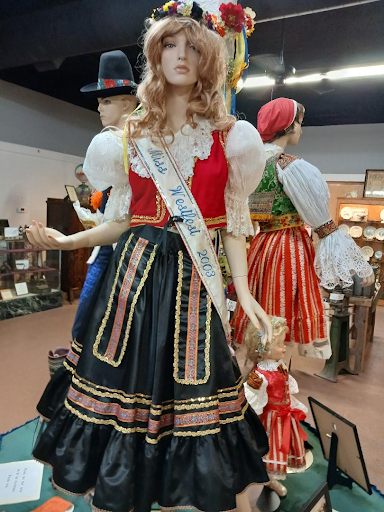
A traditional Czech dress, called a kroij (courtesy Nancy Hykel)
A mouth-watering assortment of kolaches from Czech Stop (courtesy Czech Stop)