
By Luna Infante
Photography by Nick Blevins and Torry Sledge
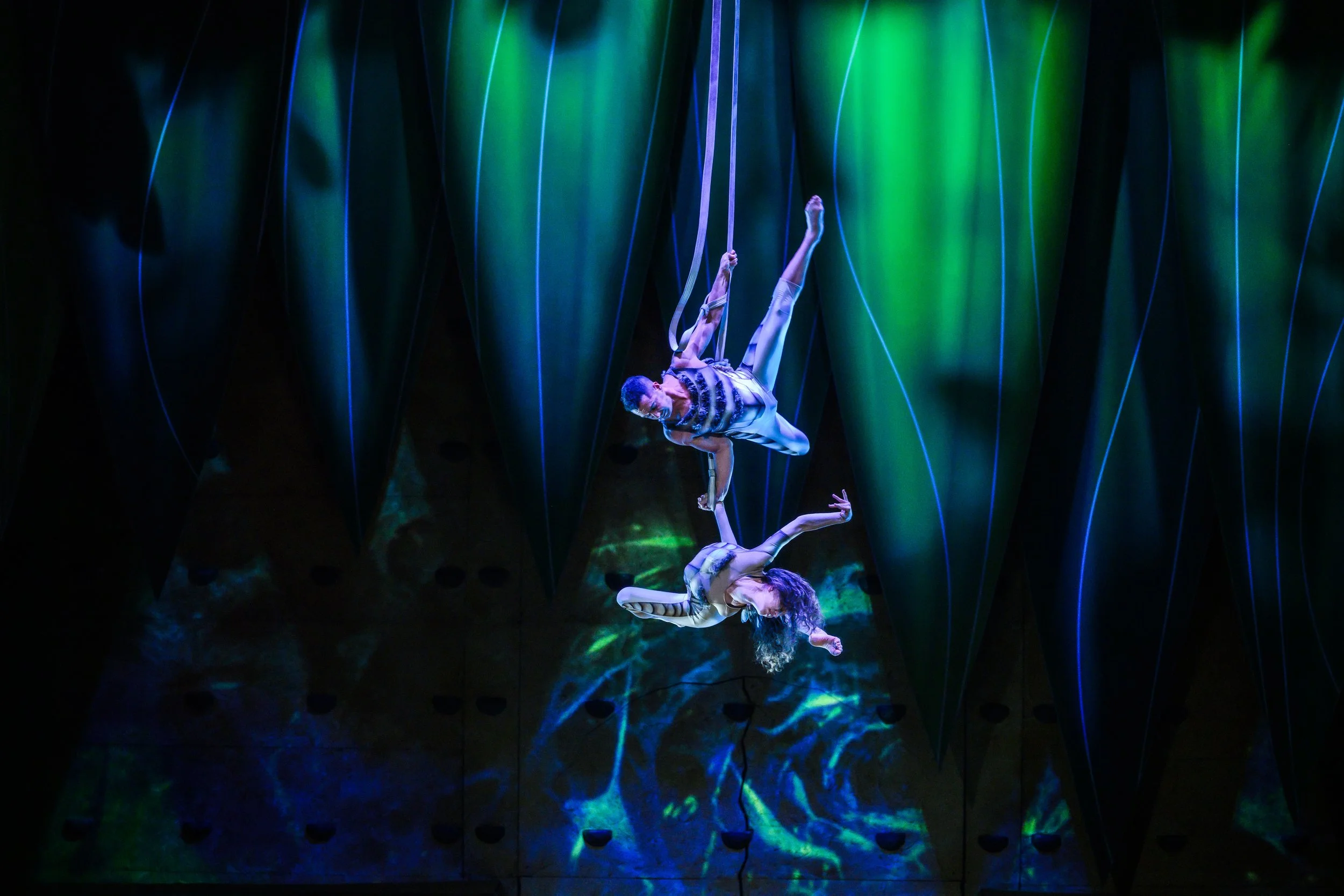
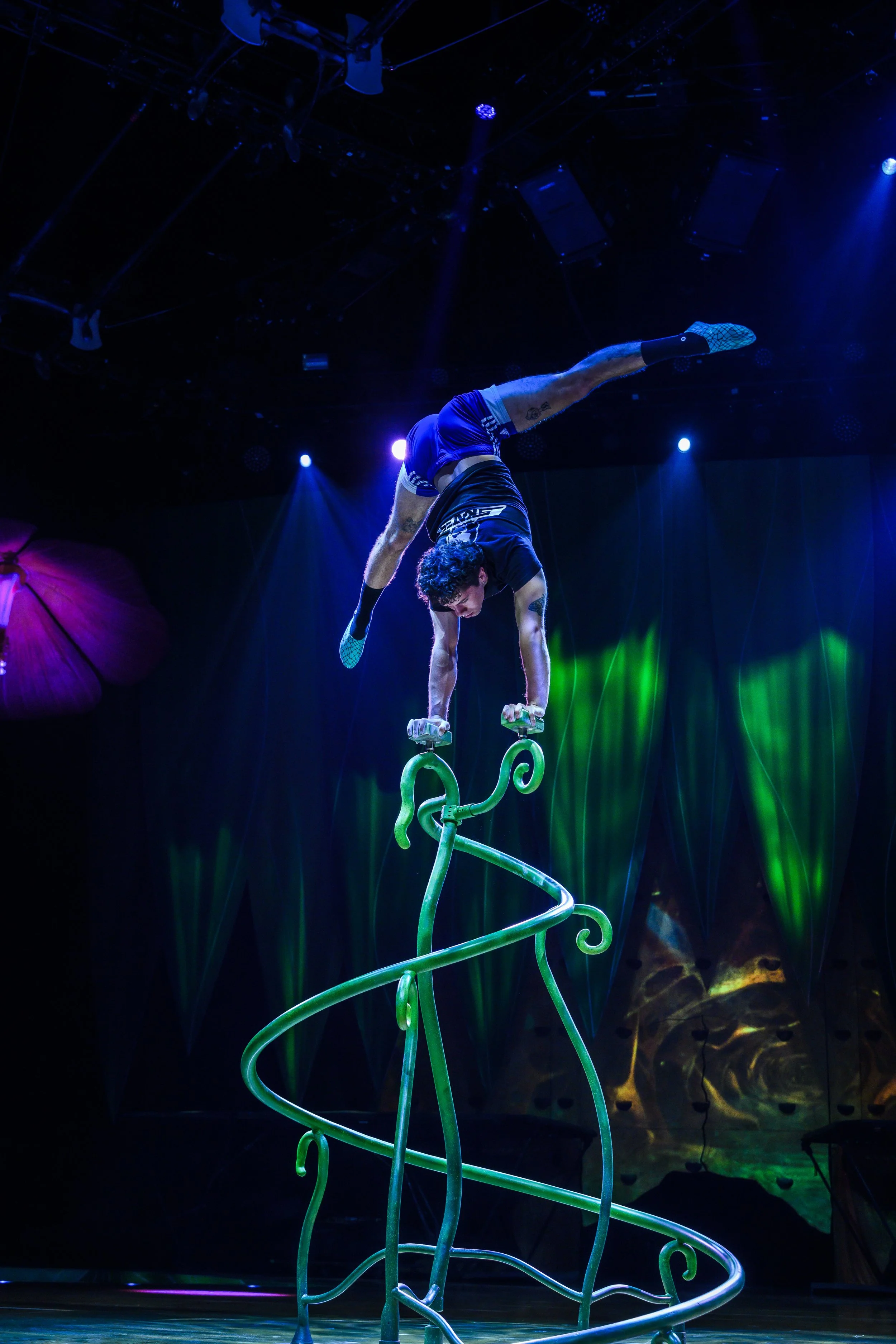
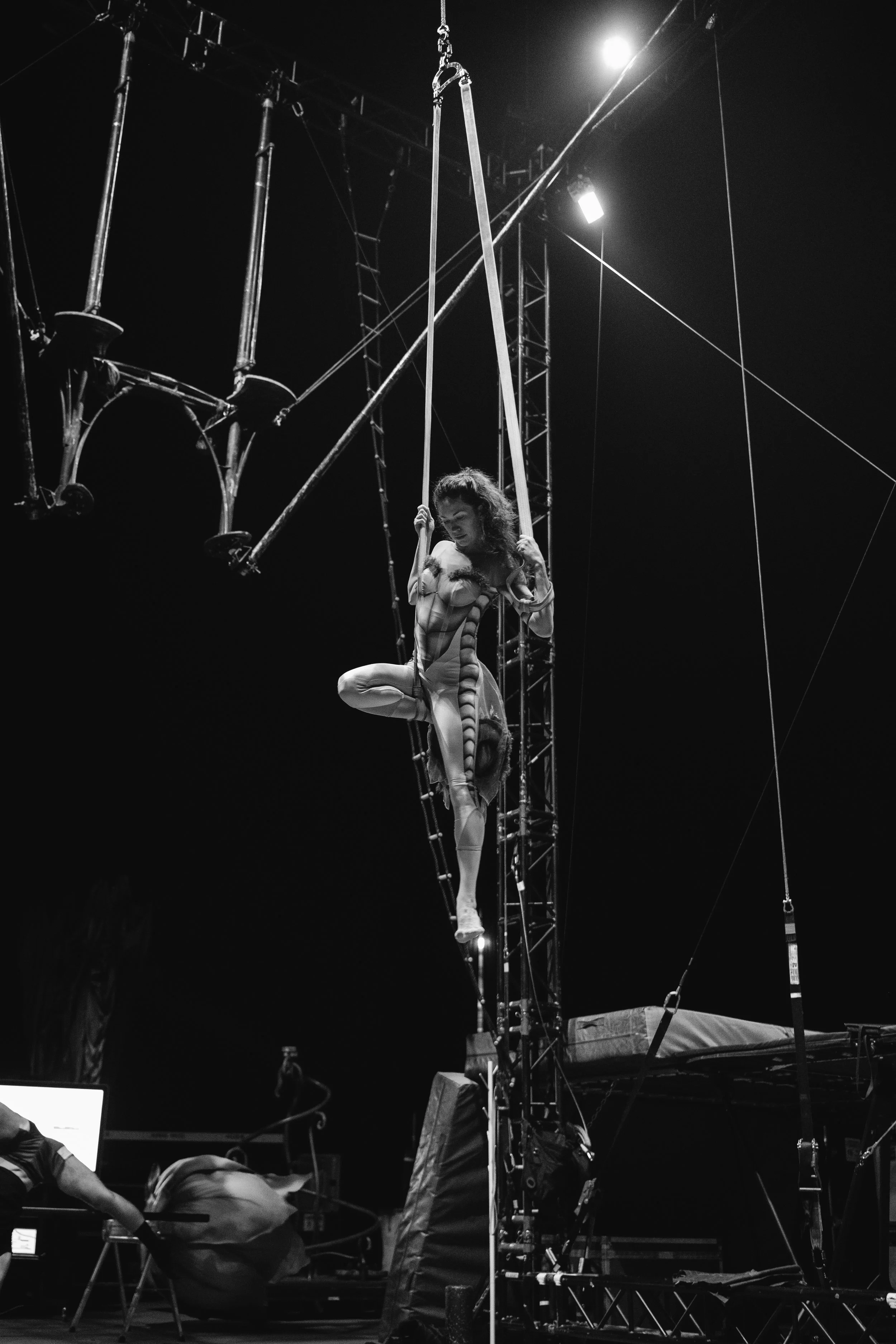
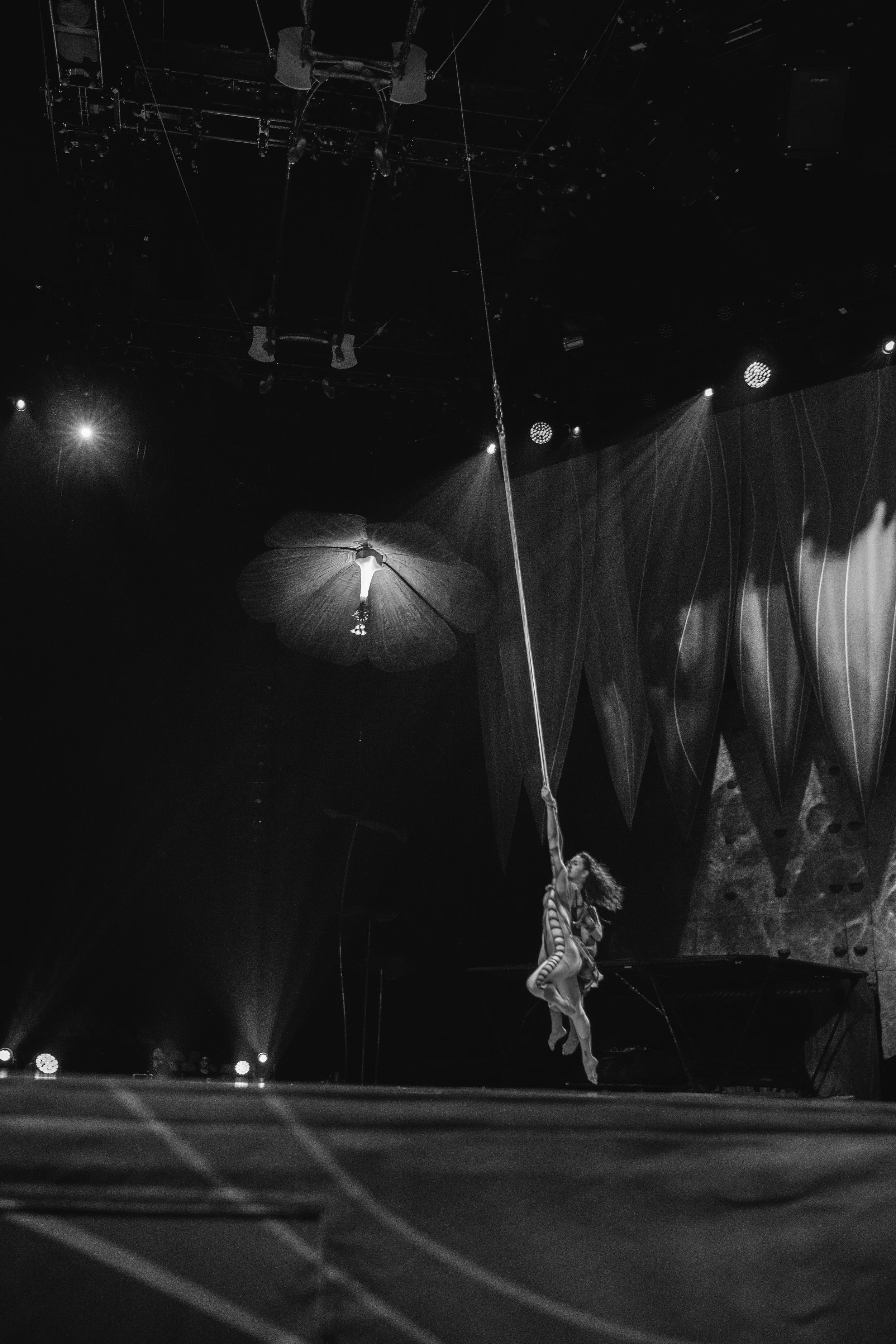
Vibrant lights and intricate costumes; acrobats, foot jugglers, and flyers — oh my! Cirque du Soleil joined the Alamo City in September for one of its fan-favorite productions, OVO. As shared with the press, the show magically explores the life and adventures of an insect colony, turning bug life into “an epic celebration of biodiversity, transformation, and community.”
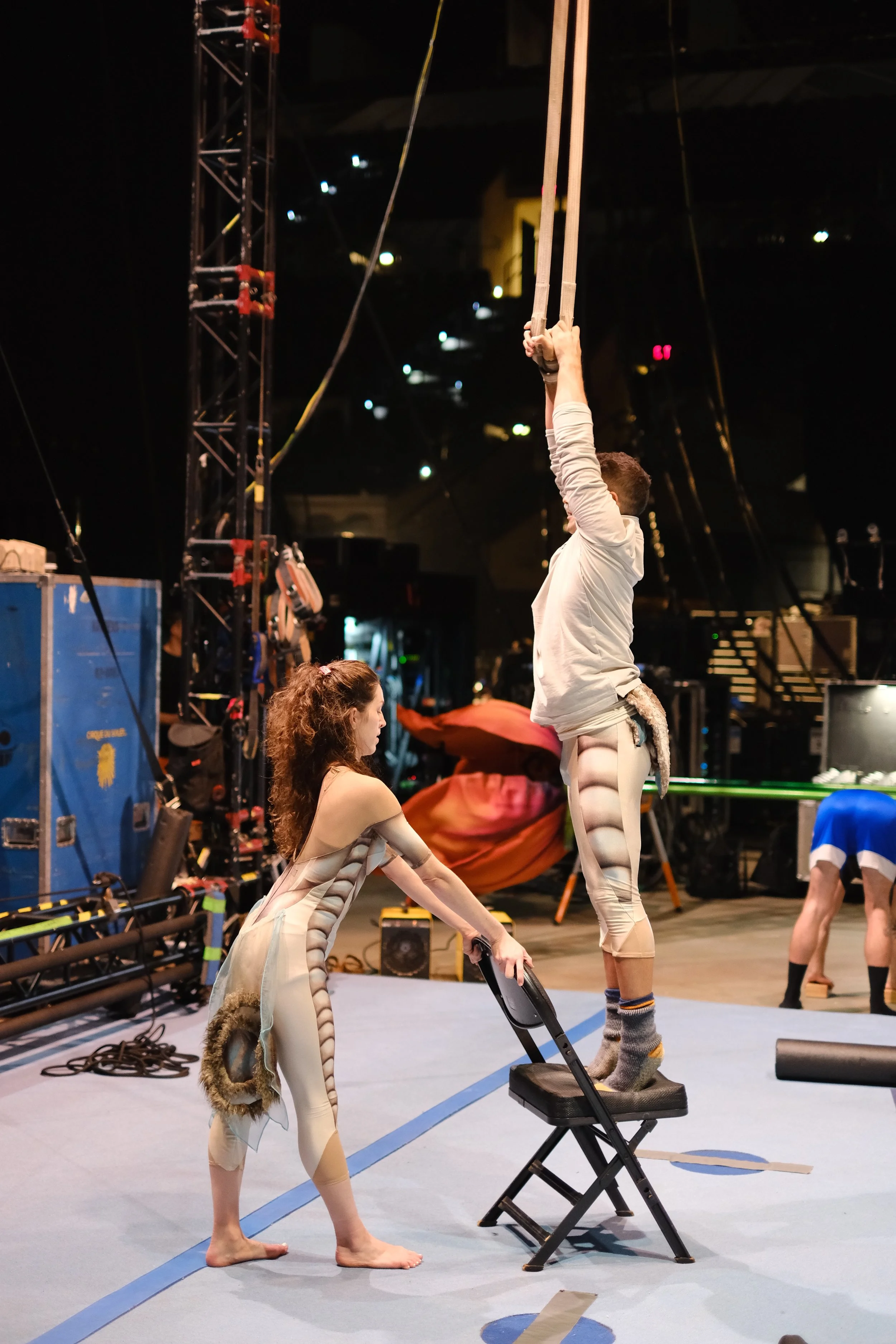
One often wonders how these whimsical productions come together. Cirque du Soleil is known for its dynamic, contemporary circus shows, which feature live music and gasp-worthy acts of acrobatics. From the costume design and makeup to the rehearsals and the big blue training mat, a different world lives behind the curtains.
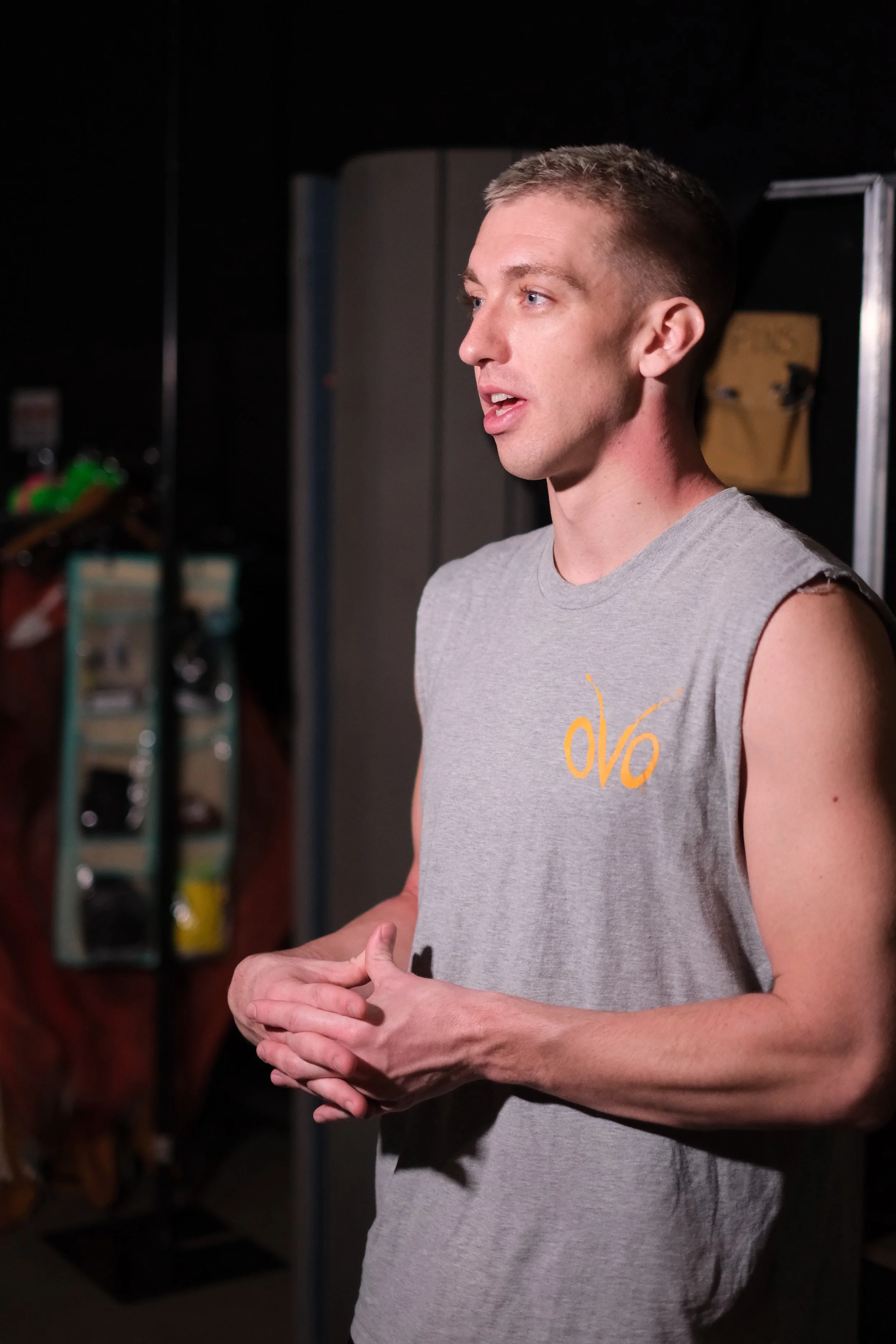
Scene in SA interviewed aerial net performer Beau Sargent, who reflected on his experiences with Cirque du Soleil and OVO. This interview has been edited for clarity.


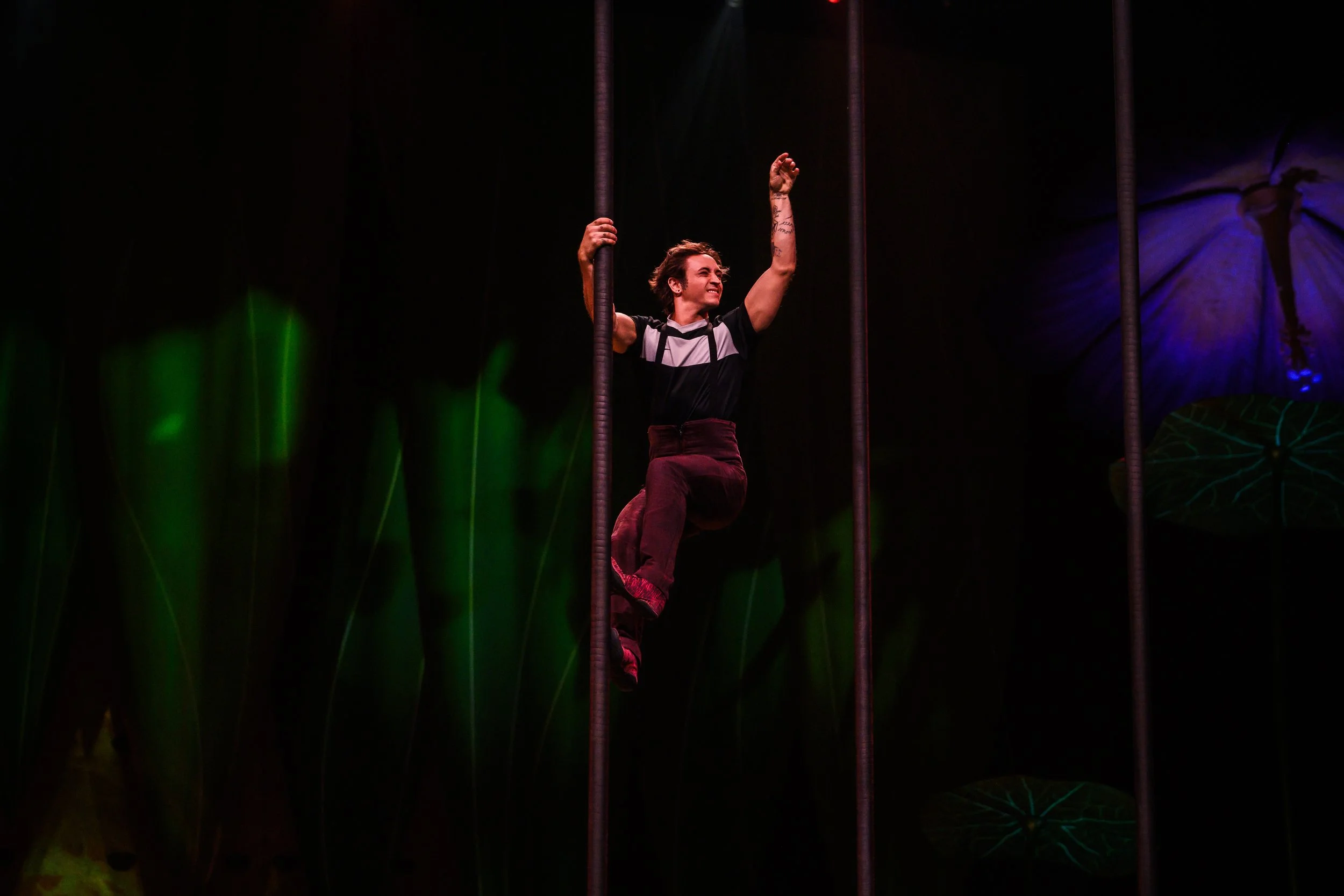

Cirque du Soleil’s Impact on Performers
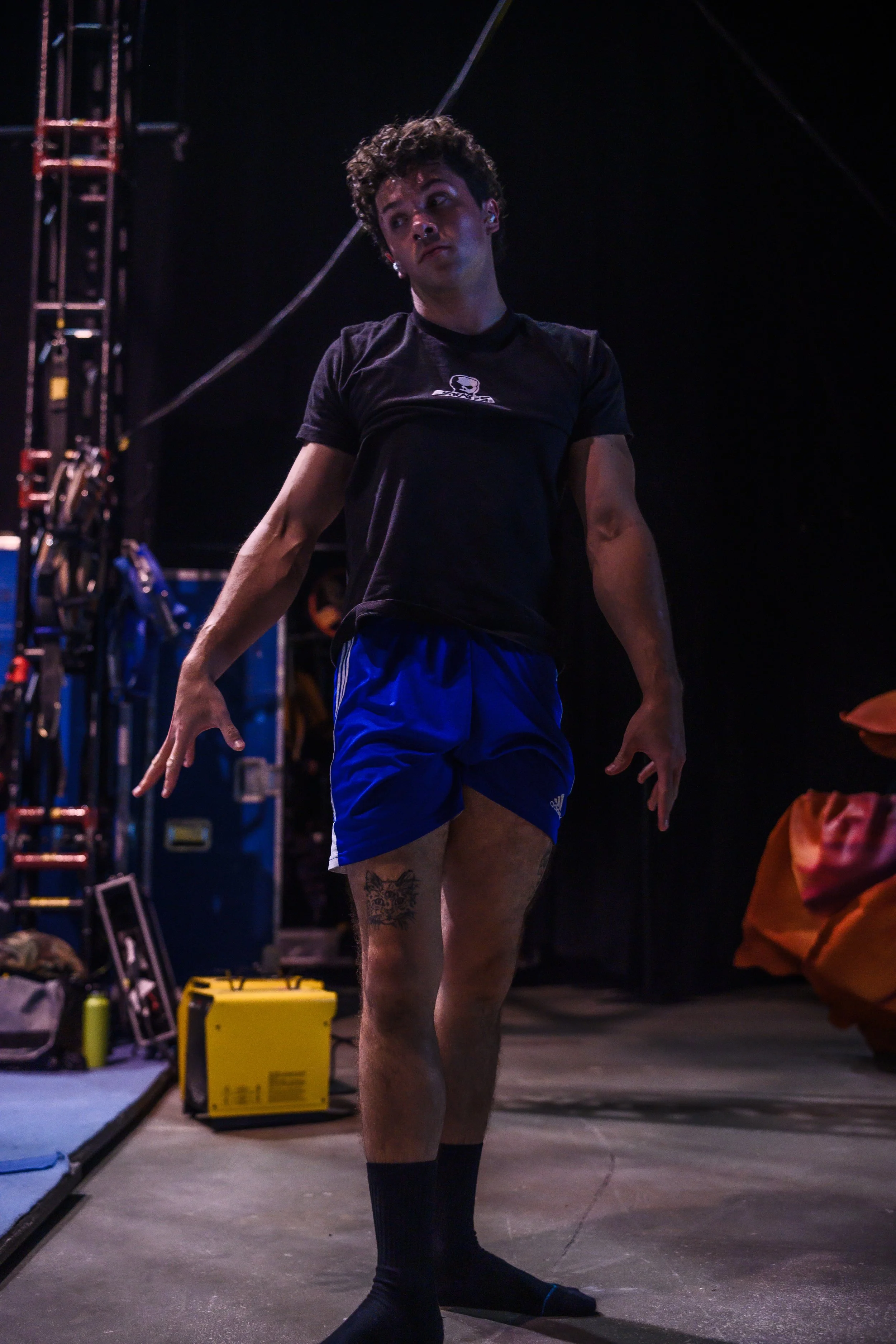
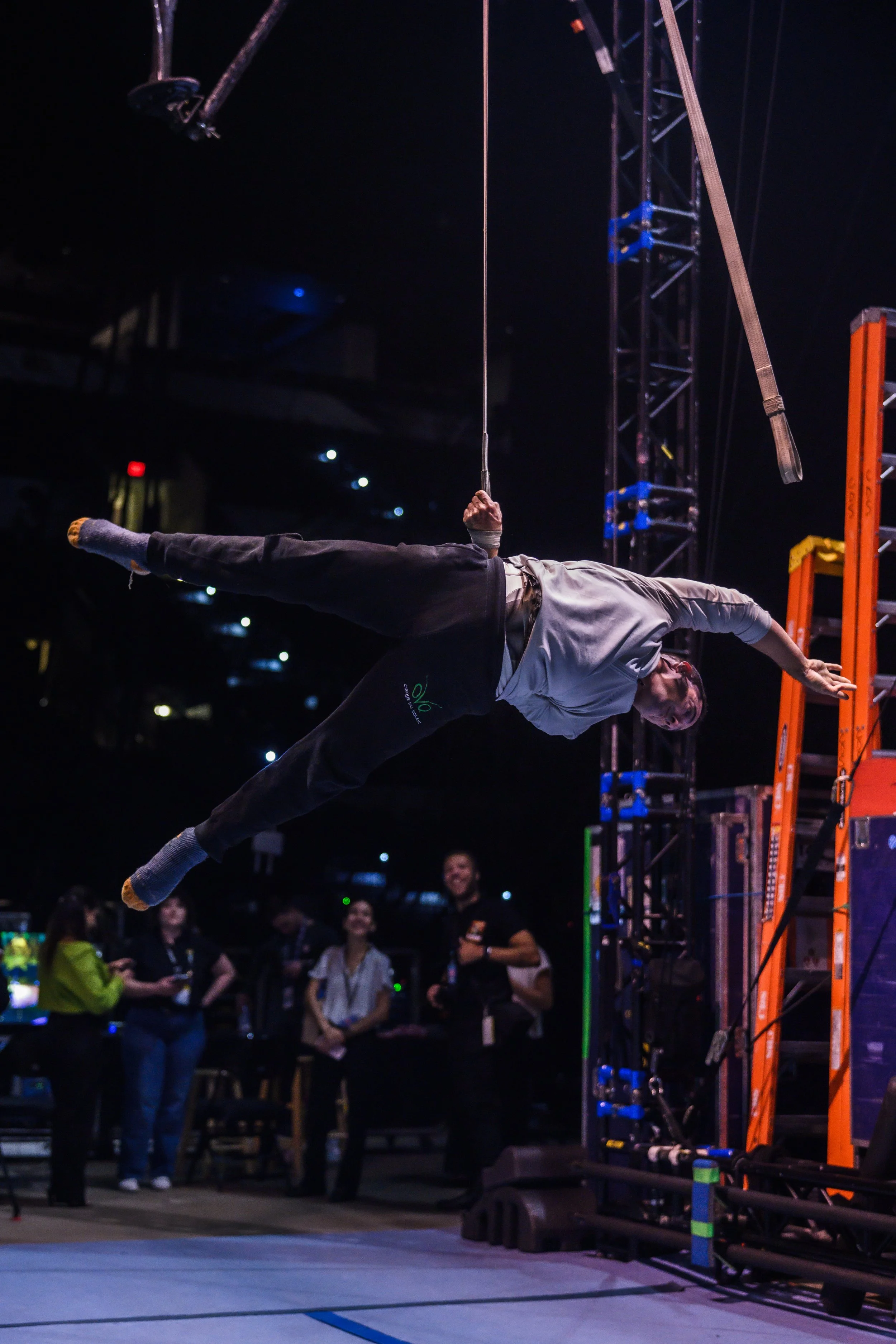
What makes artists choose Cirque du Soleil? “Cirque du Soleil is kind of known for being one of the best circus circuses out there,” said Sargent. “Being on the stage on this type of scale is definitely a dream. It’s [an] amazing experience being on that stage,” he enthused. Nothing captures this beauty like witnessing the artists rehearse their acts, the focus lines above their eyebrows, the intense eye contact between partners, the energy rolling off through their laughter.
Performers have to be consistent with their training to stay in shape and avoid injury. Circus performers, specifically, have to build strength without too much mass and constantly maintain flexibility and balance. Training during tour is more rigorous, “It’s very different, because off tour, we usually have more general training, a lot of strength and maintenance. But when we are on tour, it’s a lot of catering towards the show,” Sargent said. “We have rehearsals all the time, even if it's just choreography.” A pilates instructor and a strength and conditioning coach keep the performers’ bodies going and their minds motivated. The balance between the two is Cirque’s key to maintaining a healthy and high-quality cast that tours all year long.
Sargent expressed that the OVO shows are very “immersive experiences.” He added, “The props and everything [are] larger than life. And it’s very much the Cirque style, which is really fun to do within [animalistic characteristics.]”
Artistic Insight
Cirque du Soleil describes OVO as having a sense of wonder that speaks to the audience’s inner child. Sargent gave insight about how he taps into his childlike whimsy when performing such demanding movements: “It helps a lot seeing the kids in the audience, because I remember when I was a kid in the audience watching the Cirque show.” Sargent continues, “I kind of put myself — my younger self — in their shoes, and then that definitely fuels you to go in; keeps you alive, keeps the energy and the magic alive.” Cirque performances are known for having elaborate costume designs and creative choreography, which are definite attention-grabbers to younger audiences. Yet, OVO goes above and beyond with its imaginative storytelling of a quirky insect falling in love with a ladybug.
The iconic foot jugglers are one of the most impressive acts in the show. To one’s pleasant surprise, Cirque’s performers do continue to impress each other despite seeing one another rehearse day after day. Even though Sargent does not perform in this act, he claims it is one of his favorites, “One of my favorite numbers is the foot juggling act for the ants. When they [are] juggling each other and juggling props at the same time, it’s very impressive.” He affirmed, “Sometimes when [you’re] just sitting around, you forget how amazing it is, and you’re looking, like, ‘Oh yeah, that actually is really hard to do.’ Yeah, that’s my favorite part of the show.”
The Results
When asked what Sargent has learned about himself while touring, he provided inspiring insight. “I think I've learned [how] to adapt a lot, because we are changing cities all the time. It’s fun learning how to navigate through a new city.” He continued, “We’re always on the go. You have to make this new place your home. So trying to make it is something that I’ve really worked on, and it’s something that I never thought that I had before; the versatility, and just being ready to go for it.” Cirque du Soleil’s OVO has toured the U.S. and will continue its tour in Mexico and Europe.
Sargent underscored the mental demands that come with performing when asked what he would want audiences to know about Cirque performers, “Well, I think a lot of people only see the tip of the iceberg when they come to Cirque.” He elaborated, “We’re always doing everything, even as soon as we wake up. There’s so much behind the scenes that you don’t actually understand.” The hours are very different to traditional work, Sargent contextualized: “It’s not like a nine-to-five job. It’s like a 24-hour job. We’re always going. We’re seeing about what we need to eat for the show. And it’s always on your brain. The show is always on our brains all the time, but it’s much bigger than just the show. It's a whole lifestyle, which is really interesting, I think.”
One of the best aspects of performing is that the artist can evoke a range of emotions in viewers. Sargent declared, “I want the audience to try and forget about the outside world.” He beautifully noted, “My act is only five minutes. [If I can] create a moment of peaceful [mindfulness] in everyone for [those] five minutes, that's good enough for me. Just to take people from the outside world, escape a little bit, would be enough for me.” He concluded, “I think everyone should be walking [out from] this show with a massive smile on their face, because we really enjoyed performing it.” ◼︎