

The City’s Emergence as a Filmmaking Hotspot
By Berit Mason

Air Force pilots train in San Antonio because of our clear blue skies and flat terrain. In fact, the Academy Awards’ first Best Picture winner was Wings, a 1927 silent film about WWI pilots, filmed in San Antonio. One hundred years later, the San Antonio Film Commission reports the city is on the moviemaking industry’s radar.
Per a Commission release, “The city has seen a 140% increase in film permits, from 221 in 2022 to 586 in 2025,” while the total number of filming days has nearly doubled, to 710. Those clear skies and our old pueblo feel bring in the business — the movie business, that is.
“We have a lot of historic buildings that have been preserved,” says the Department of Arts & Culture director, Krystal Jones. “And that really helps the film industry, when other cities aren’t taking historic preservation as seriously.”
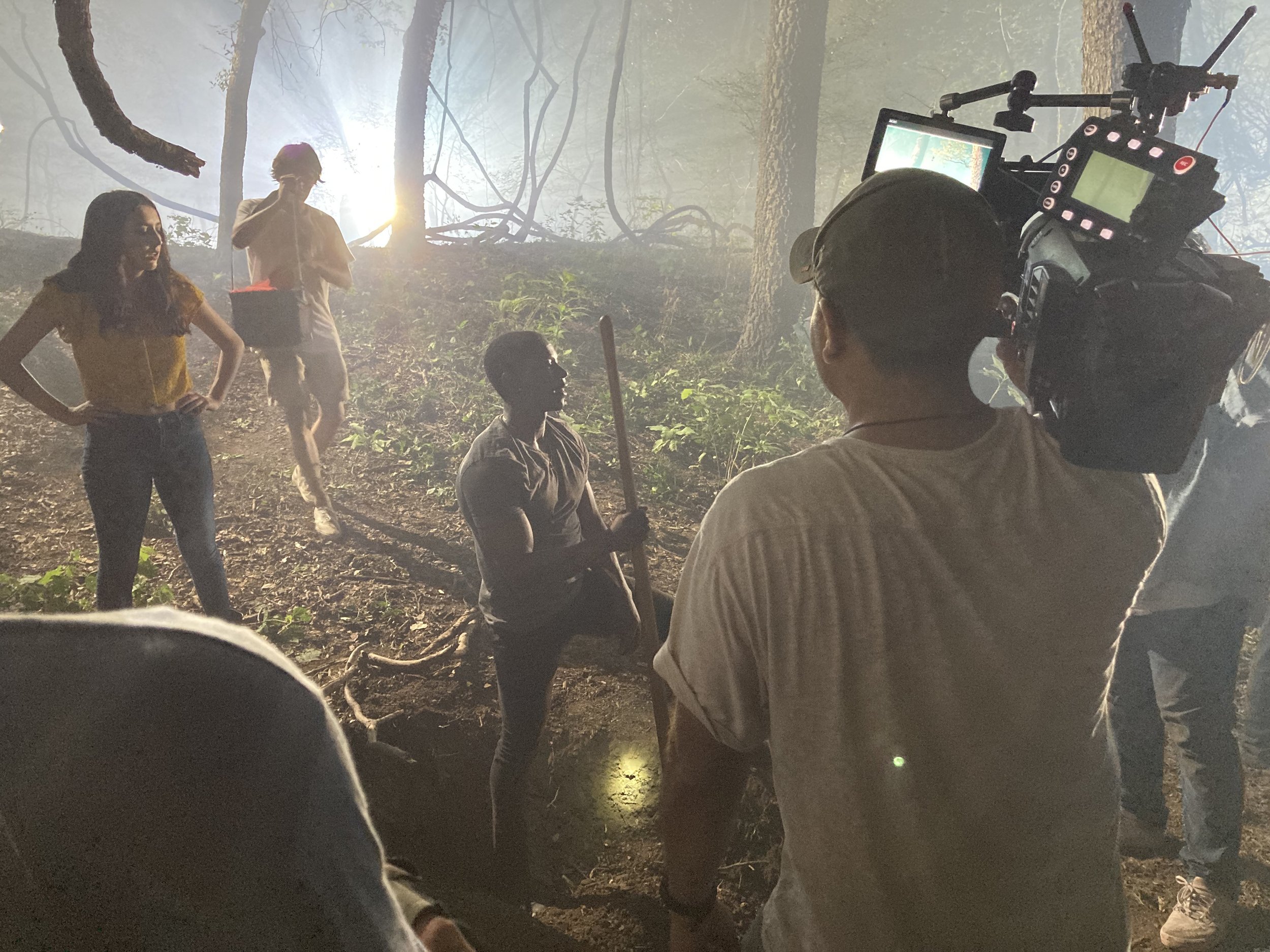
San Antonio is also an incubator for emerging talent, including writers, producers, actors, and directors, like San Antonio native Justin Rodriguez. “When I was 19 years old, I worked as a PA (production assistant) and worked my way up … holding a flag, holding a boom mic, going to get coffee.” Today, Rodriguez is a film director, founder of Brave Picture Films. “ In 2017, I thought I should write my own film.” He produced Lush, a noir shot on our city streets so dark, you can’t tell the locale. He says the City of San Antonio is very supportive. “You are one email away, and you can get a permit the next day.”
So where’s the local film scene? At Alamo City Studios mixers, Production Club SA, and screenings like CineFestival. “Before, it felt kind of cliquish, standoffish,” he says. “But over the years, it’s changed so much, where people are just so happy to work with each other, and a lot of friendships are made … I’ve only seen it grow.”
Like everything else, film is encapsulated inside cell phones. “Vertical films on your phone,” says Rodriguez. “There’s a different media content.” Actors email auditions, directors post shorts. Shorts act as resumes, demonstrating a filmmaker’s talent and skill, to be hired on other projects. “There is more work coming in here now — streaming work. San Antonio is like an open, blank canvas compared to Austin, and that is alluring for a director. We can paint it how we want.”
View of Houston Street in Downtown San Antonio (above): Photo and San Antonio Film Commission logo (above) courtesy of City of San Antonio
Scary Movies, IRL
Cynthia Bergen and a partner established The Vintage Club Stories and No Sleep Films, producing over 30 horror features and shorts, based on supernatural events. A Pearsall shoot became a true-life experience.
“The owner of the house, Shannon, told me they encountered a ghost who likes to take things and put them back. After filming that day, Shannon told me her ghost was gone. That whole week in my house, I had stuff disappearing; lotion from the bathroom disappeared, and reappeared in the basket.” After production, Bergen told her friend, “I’m giving you your ghost back,” and the paranormal activities stopped.
“We’ve been in more than 1,000 film festivals around the world,” she says. She hosts a film festival too: the Horrorific Women Film Festival. “You can use your cell phone, any camera; [it] does not have to be an expensive camera,” says Bergen. “I had one filmmaker who submitted a short film using just still photos.”
Film festivals showing shorts can show lots of them, increasing the possibility that a producer sees it, likes it, and considers making a full-length feature film from it.
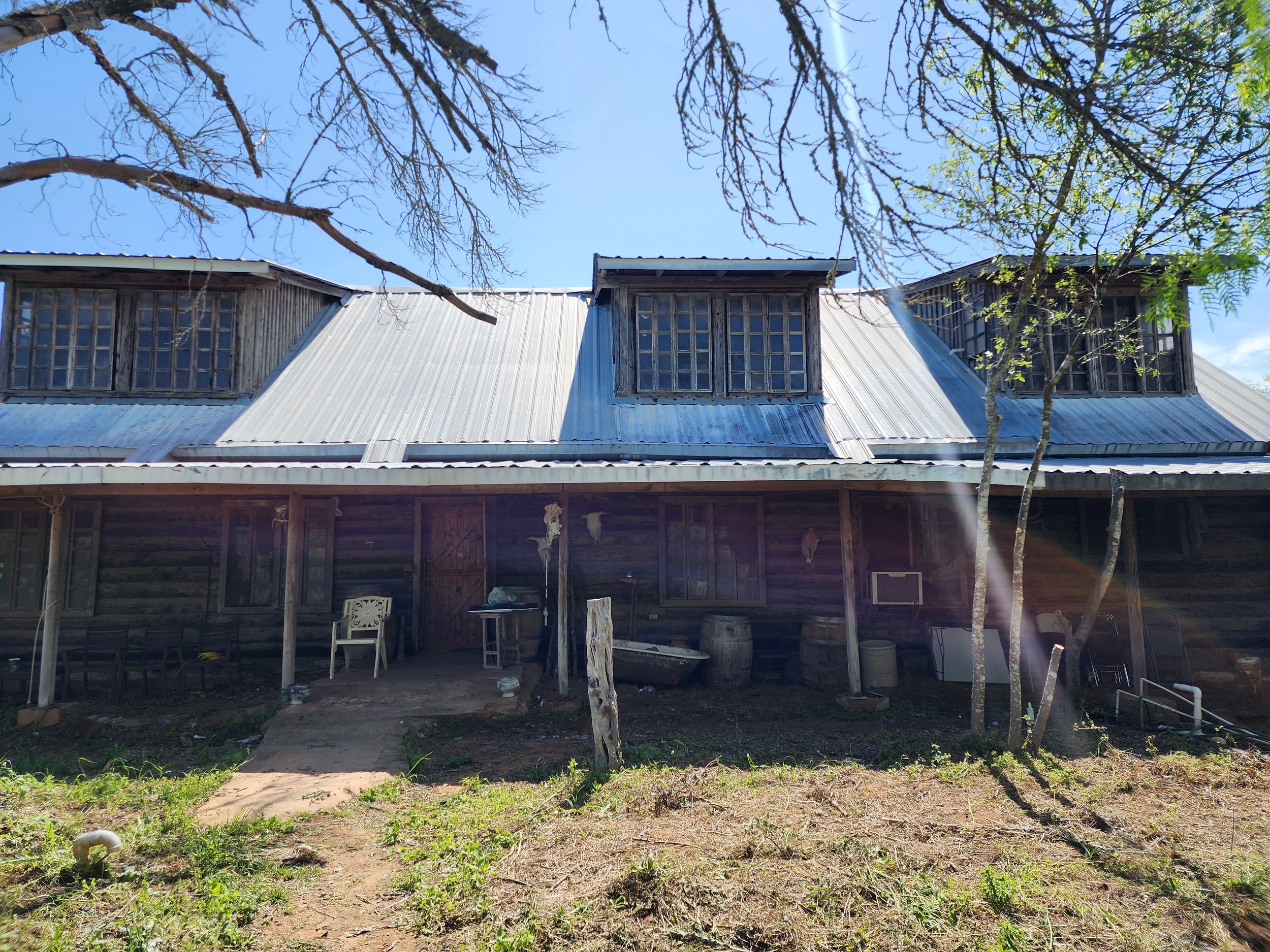
Supernatural Sets
Ever feel like it feels like a ghost is misplacing your keys, wallet, and other life necessities? Maybe sometimes it is, at least in the case of films set on location at this house (pictured below) in Pearsall, Texas.
Scratch-Made Art
Local animator Caleb Barber produces animation and claymation films. Barber releases under the moniker Collective Motions.
“I am a stop-motion creator here in San Antonio. I use miniatures, anything from paper, found objects, and clay, to create stories.” Collective Motions collaborates with local musicians to make videos. These new artists rely on social media as a “stage.”
“My handle is @collective_motions. After 70 to 80 videos, people started catching on.”
Utilizing the technique of stop-motion, Barber goes through the painstaking process of shooting one “motion” at a time, the traditional way of making claymation and animated films, shooting scenes from sets and characters set up on a table in his living room.
“Everything is made from scratch, the scenes that I’m using, the characters, shot frame-by-frame; pictures put together that create the visual you are seeing.”
He calls the method imperfect and frustrating at times. But he’s learned patience.
“It can take two hours to get 30 seconds of a shot.” Think director Tim Burton, or Wallace and Gromit.
Barber began this career path by making his wood carvings come to life. He eschews AI in favor of “handmade” filmmaking.
“It blocks the creativity that naturally comes through human beings,” he explains. “What [AI is] doing is perfect. What I’m doing is imperfect, and that’s what’s beautiful about it.”
Collective Motions has exhibited at Luminaria, the blocks-long annual downtown winter arts festival showcasing local artists.
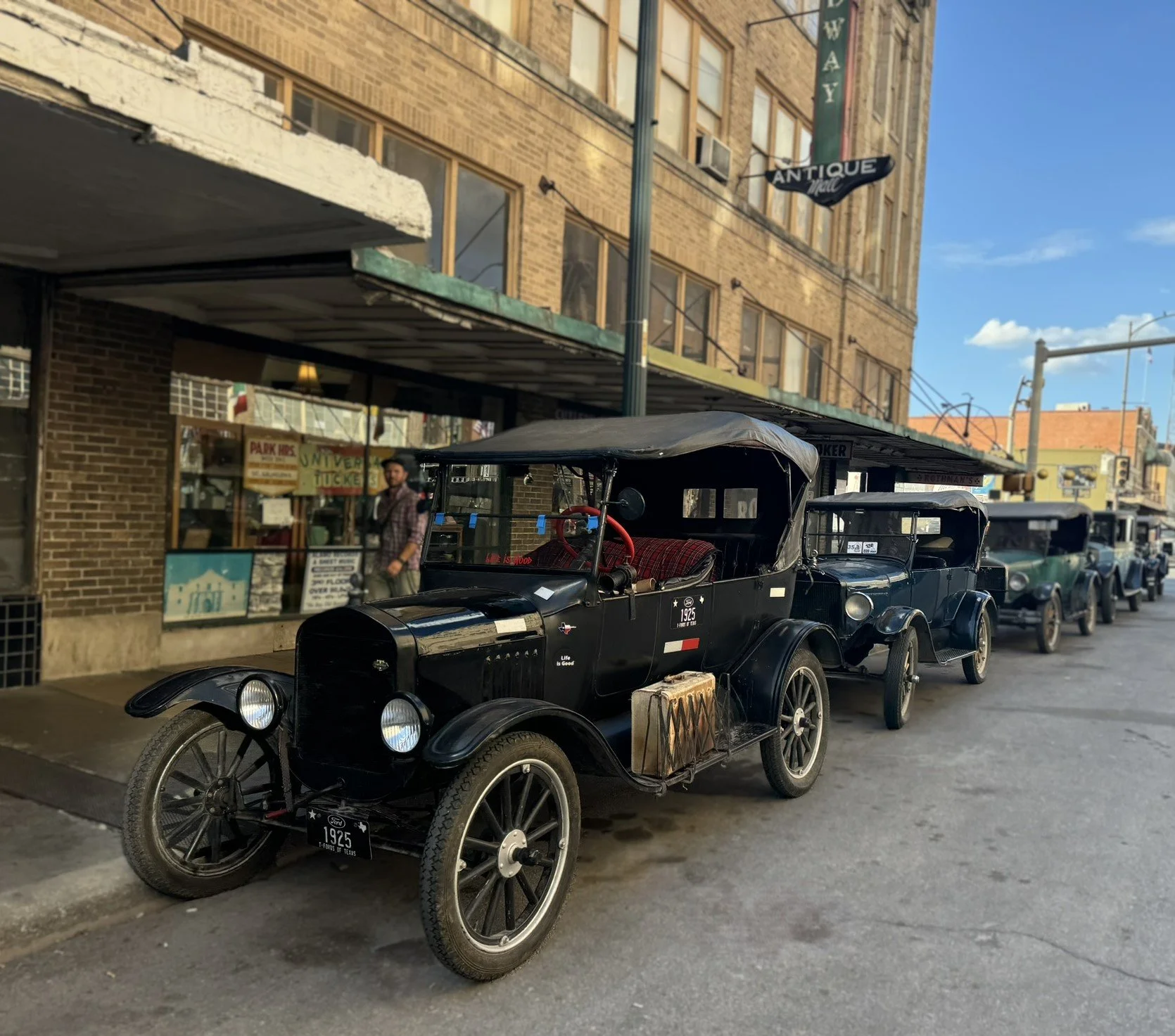
On-set in an antique San Antonio in Paramount's 1923. Photo courtesy of City of San Antonio
Supporting Texas Talent
San Antonio is also home to actors, like Jose Raul Corres, originally from Mexico City.
But: “It’s tough! Because most of the auditions that truly matter, those shows that you want to be on, all stay in the northern part of the US. We get a few that trickle down. But I’ve been finding a lot more jobs in Austin, Dallas, and Houston.”
“The talent is here,” Corres insists. “It’s about bringing the focus and the money to San Antonio. Acting here is very tough, but I have found fantastic roles in town.”
To help, the city offers annual Artist Grants to bring local work to life. Corres wishes to see his name lit up on that imaginary marquee. “But I also have the duty to put the name of Texas high up in shiny lights.”
These artists use their work as a bridge, connecting San Antonio to the broader scene. “The days of actors just acting are done. If you want something, you have to create it yourself. If you want to act, get your friends together, get a camera, get your phone, and write a story, and go make it. That is the only way you are going to get yourself out there.”
Corres and his sister, a grant recipient, have a production company, Titanium Milk, to do just that.



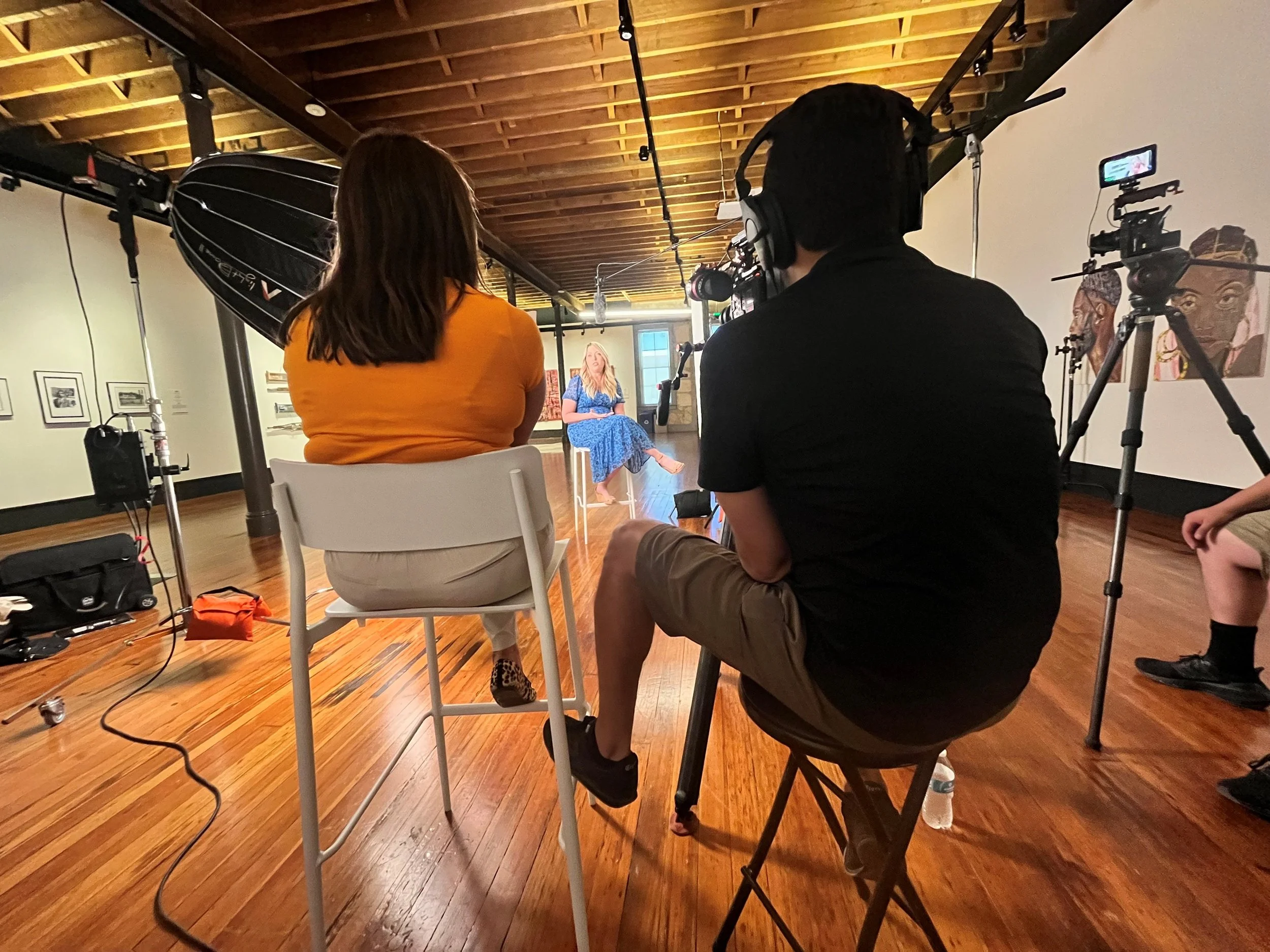
Industry Incentives
The influx of Californians to Texas brought along the moviemaking industry.
“The Texas Moving Image Industry Incentive Program (TMIIIP) attracts new business investments in the moving image industry to Texas,” says Texas Film Commission Director Stephanie Whallon. “Since being created in 2007 by the Texas Legislature, TMIIIP has generated almost $3 billion in local spending, and created over 200,000 Texas jobs in communities across the state.”
The 2025 legislative session updated the program, so Texas can continue its white-hot moviemaking streak, offering incentives encouraging film production to come here — like Yellowstone prequel series 1923, filmed in our downtown.
The San Antonio Film Commission reports 1923 generated about $1 million in local spending, employing 450 crew members and 165 extras. The production company booked over 180 hotel rooms, spending $500,000 on filming locations.
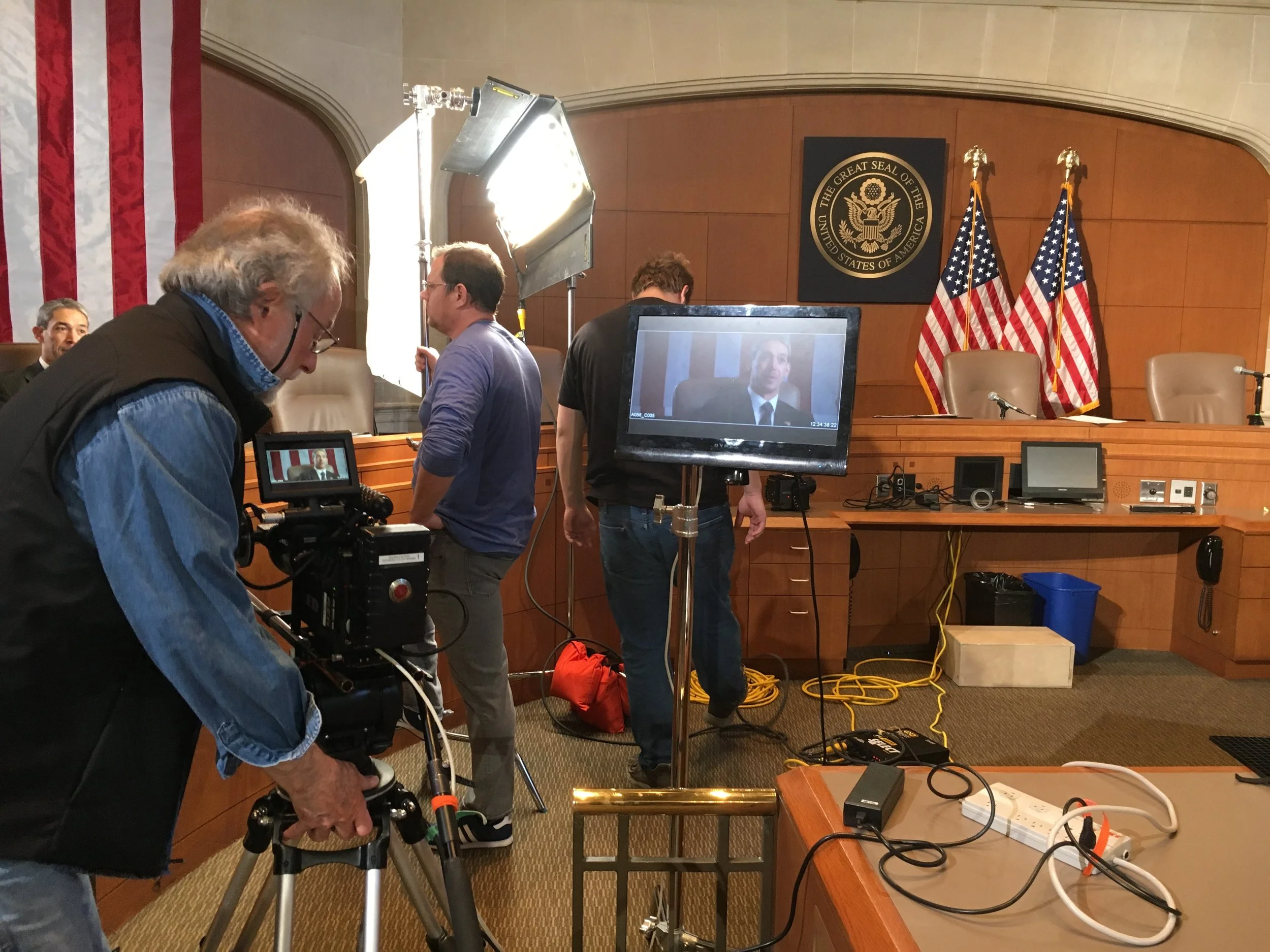
“This momentum highlights the city’s expanded production capacity and rising national visibility as a creative hub,” says the commission, the city agency working day and night to woo filmmaking production companies to shoot here. The result is that San Antonio has hosted full-length feature film productions, documentaries, TV episodes, and series, plus being the backdrop for countless local and national TV commercials.
“San Antonio boasts a large, skilled, and growing pool of talented, hardworking, and friendly industry professionals — and the San Antonio Production Directory is the go-to place for those who want to get discovered and find work.”
Which has allowed artists like Justin Rodriguez to forge a life and an artistic career, right here. ■
If you’re a creative interested in seeking the Department of Arts & Culture Artist Grants, the Intent to Apply opens at 8 AM on Jan 5, 2026, and Applications open at 8 AM on February 2, 2026. For more information, visit sa.gov/directory/departments/arts/grants/artist-grants
